

Backyard Patios are way more than just slabs of stone or concrete in your yard—they’re outdoor living rooms. A well-made patio instantly boosts your home’s value, adds space for entertaining, and creates a private retreat to relax and enjoy nature. Need quick inspiration? Here are the top backyard patio elements homeowners love:
My name is Scott McLeod—owner of McLeod Landscaping with over 30 years of experience designing and installing beautiful and functional Backyard Patios throughout the Merrimack Valley area. I’ve helped countless homeowners turn their outdoor spaces into relaxing retreats, seamlessly blending form and function.
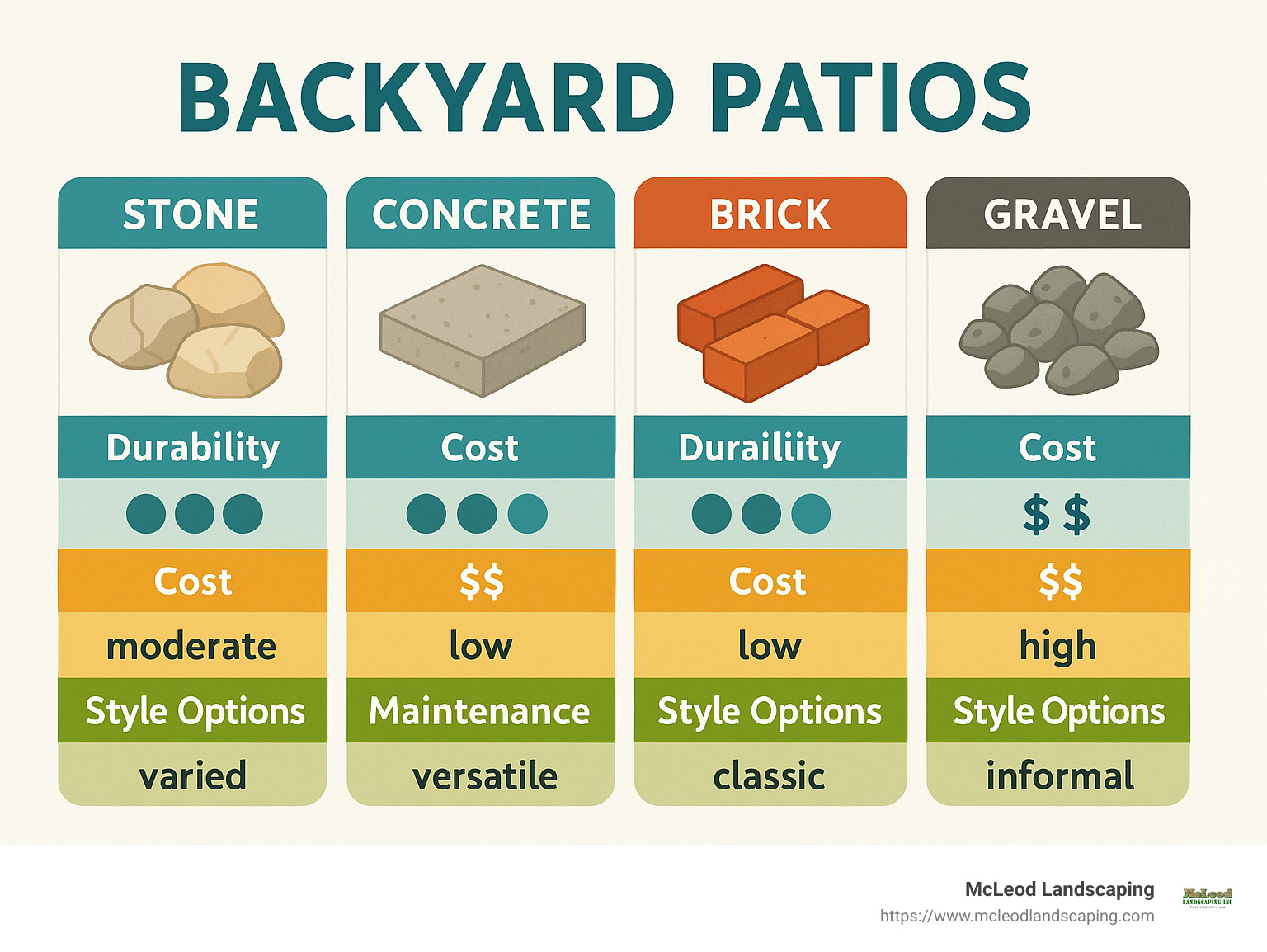
Backyard Patios word guide:
When you want a backyard patio that truly feels like a natural extension of your outdoor space, nothing beats the beauty of natural stone. People have been crafting patios from stone for hundreds of years—and there’s a good reason we’re still doing it today! Natural stone patios effortlessly blend with your garden, giving your outdoor living area a timeless, rustic charm that synthetic materials just can’t match.
“A patio is a perfect way to expand your living space and boost your home’s value,” says landscape design expert Caitlin Sole. Stone patios, in particular, can significantly increase your home’s perceived value—by as much as 20%, according to recent industry estimates.
At McLeod Landscaping, we’ve been designing and installing stone patios across the Merrimack Valley for more than 30 years, from colonial homes in Andover to contemporary designs in Burlington. One thing we’ve learned: homeowners adore stone patios because each one is unique. Natural stone has incredible variations in color, texture, and pattern, which means no two patios ever look exactly alike.
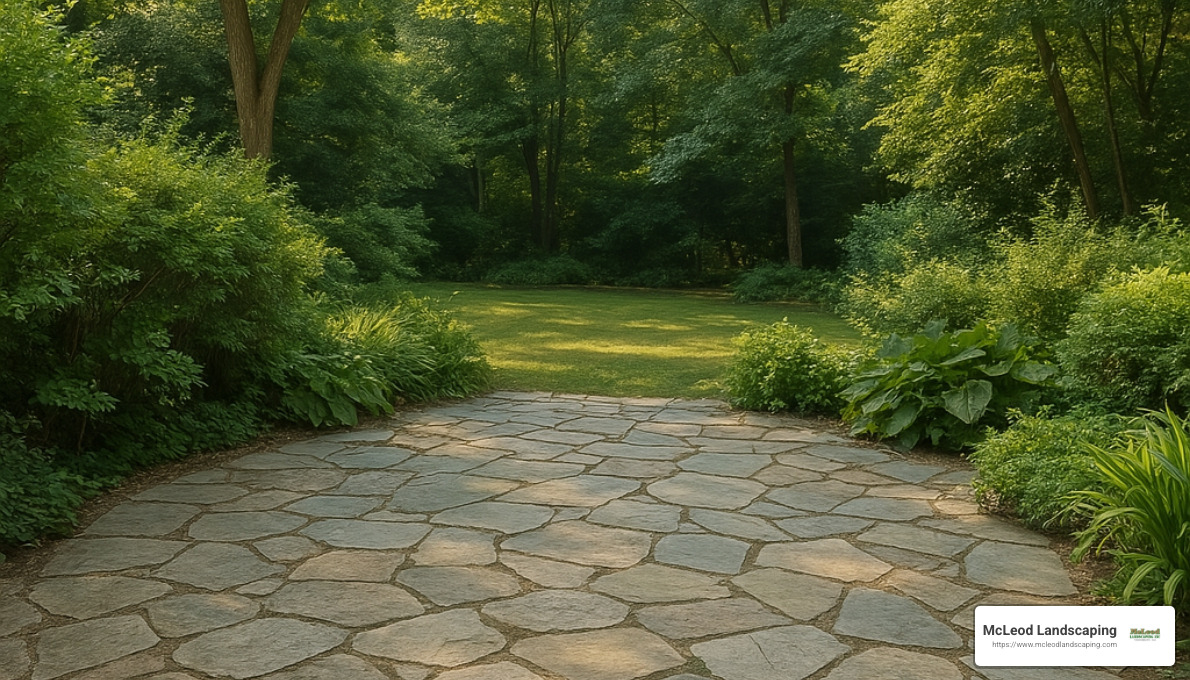
Beyond their beauty, natural stone patios are known to age gracefully. Unlike artificial materials, stone develops a gorgeous, natural patina over the years. Every stone tells a story—maybe it’s your kids playing catch, quiet mornings sipping coffee, or evenings spent around the fire pit with friends and family. And let’s face it, a little character never hurt anyone—or any patio!
Picking the ideal stone for your backyard patio can feel overwhelming, but don’t worry—we’ve got you covered. Here are our favorite natural stone options, along with their distinct advantages:
Slate is known for its distinctive layered look and comes in stunning shades of gray, blue, green, and purple. It’s incredibly durable and naturally slip-resistant, making it ideal around pools and wet areas. Over the years, we’ve installed slate patios in Billerica and Chelmsford that have stayed beautiful season after season.
Bluestone is a popular sandstone option quarried mainly in New York and Pennsylvania. Homeowners throughout New England love its rich blue-gray hues. Bluestone comes either cut into neat rectangles (known as “thermal bluestone”) or shaped irregularly for a more rustic vibe. This stone is a favorite among our clients in Concord and Carlisle who want their patios to reflect classic New England charm.
Limestone offers a lighter, warmer appearance, typically in beige and tan colors. While softer than slate and bluestone, limestone creates an inviting ambiance that feels cozy underfoot. We’ve designed limestone patios for homeowners in Westford and Wilmington, complementing both traditional and modern home styles beautifully.
When guiding our Merrimack Valley clients through stone selection, we always consider their home’s architecture, landscape, and intended use. Planning a heavy grill or large furniture set on your patio? We’ll recommend thicker, more robust stones to handle that extra weight.
Regional availability also impacts cost and sustainability. As industry experts suggest, patio materials selected from local regions often reduce expenses and boost durability. At McLeod Landscaping, we always try to source our stone from local suppliers whenever possible—it’s good for your wallet and even better for the environment.
Considering stone for your next backyard oasis? Check out our gallery of garden patio ideas and patio extension ideas for more inspiration. For more design inspiration on stone patios, you can also visit this helpful resource by Better Homes & Gardens.
If you’re dreaming of a sleek, modern outdoor space that’s both stylish and practical, concrete backyard patios are a fantastic choice. These patios aren’t the dull gray slabs you might remember from your childhood—today’s concrete options have evolved dramatically. With stunning finishes, textures, and colors, a concrete patio can truly become the eye-catching centerpiece of your backyard.
One of the best parts about concrete patios is their versatility. At McLeod Landscaping, we’ve installed gorgeous concrete patios throughout Lowell, Tewksbury, and beyond, showcasing just how adaptable this simple material can be. Homeowners love the way concrete can be customized to fit their vision—whether it’s a polished surface reflecting the sunlight or an neat stamped pattern that mirrors the look of natural stone.
Recently, we completed a project in Burlington where the homeowners wanted their patio to echo their home’s sophisticated, contemporary style. By using an acid-stain technique with warm, inviting earth tones, we transformed their underused backyard into a modern oasis perfect for hosting friends or relaxing after work. Needless to say, it quickly became their favorite outdoor “room.”
When it comes to cost-effective design solutions, concrete is often a top choice. Typically, it’s among the most affordable patio materials, giving homeowners throughout the Merrimack Valley a chance to stretch their budgets without compromising on beauty or quality.
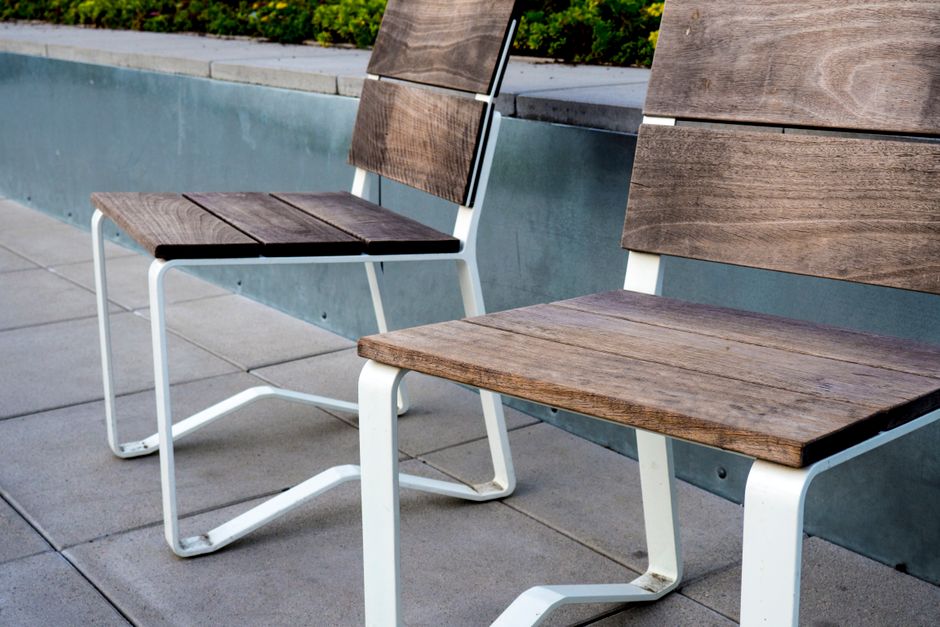
One of the biggest perks of concrete patios in our New England climate is their incredible durability. With professional installation and proper care, a concrete patio can easily last 30 years or more—even in the Merrimack Valley, where harsh winters and frequent freeze-thaw cycles can take a toll on other materials. At McLeod Landscaping, we specialize in creating concrete patios specifically designed to withstand our region’s tough weather conditions.
Concrete’s versatility also allows homeowners ample creativity. Want to mimic the neat look of natural bluestone without the hefty price tag? Concrete can be stamped to replicate the appearance of stone, brick, or even tile. It can also be stained or dyed virtually any color, polished for a glossy, sophisticated finish, or textured to make it slip-resistant (perfect around pools or in rainy conditions). We’ve even embedded decorative materials like colorful glass or small stones for a personalized, artistic touch.
For instance, one of our clients in Chelmsford wanted the charm and sophistication of natural bluestone without the higher cost. We created a stunning stamped concrete patio with subtle color variations that looked exactly like authentic bluestone—at a fraction of the cost.
Finally, homeowners appreciate the low-maintenance aspect of concrete. Unlike more porous materials, concrete doesn’t require constant upkeep. Typically, you’ll only need to reseal every 2 to 5 years. Regular cleaning with a simple broom or occasional spraying with a garden hose and mild soap is usually enough to keep your patio looking fresh and inviting year-round.
As one patio expert wisely suggests, “When choosing concrete, explore options for available colors and shapes for creative flexibility.” At McLeod Landscaping, our focus is always on helping you understand these options clearly. We often create sample sections for our customers, so you can visualize exactly how different finishes and colors will look in your backyard’s unique setting.
Whether you’re modernizing an outdated backyard or designing a new outdoor living space from scratch, a concrete patio may just be your new best friend.
Adding a fire pit to your backyard patio is one of the easiest ways to transform your outdoor living space into a welcoming retreat. Imagine gathering around the warmth of a crackling fire, roasting marshmallows, or simply unwinding after a busy day. Fire pits naturally become the focal point of any patio, bringing people together and adding months of enjoyment to your outdoor time.
In fact, industry research has shown that adding a fire pit to your patio can actually increase the amount of time you spend outside by up to 30% during cooler months. Considering our Merrimack Valley climate, this means you could comfortably enjoy your patio from early spring all the way through late fall. (And let’s be honest, who wouldn’t like a little extra fresh air and outdoor relaxation?)
Fire pits come in a wide variety of styles—so no matter your home’s aesthetic, there’s a perfect option waiting for you. At McLeod Landscaping, we’ve designed and installed everything from rustic stone fire circles to sleek, modern gas-powered features.
We recently worked with a lovely Andover family who wanted to create a safe hangout spot for their teenagers and friends. We designed a cozy circular patio with a stone fire pit in the center, surrounded by a custom-built seating wall. It quickly turned into the most popular teen gathering spot in the neighborhood, giving the kids their own space while keeping them close to home. (Don’t tell the teens, but the parents loved it too!)
For another client in Wilmington, we created a refined, contemporary fire pit using gas burners and a sleek concrete surround filled with shimmering glass beads. With adjustable flame controls, it offered the perfect spot for everything from neat adult get-togethers to cozy family evenings.

While fire pits add undeniable charm and warmth, safety is key. At McLeod Landscaping, we help you plan every detail carefully, keeping safety as our number-one priority.
When choosing materials, it’s important to pick non-combustible options. We typically recommend stone, concrete, or metal to build the fire pit itself. The area directly around your fire pit (about 3–5 feet) should also use non-combustible materials, even if the rest of the patio is made from something else.
Finding just the right spot for your fire pit matters too. A good location will be at least 10–15 feet away from your home, shed, or garage. It should also be placed safely away from low-hanging limbs, shrubs, or anything else that could easily catch fire. You’ll want your fire pit on a level surface, away from main footpaths, yet still conveniently accessible to seating areas.
Of course, each town in the Merrimack Valley has its own rules about fire pits. Some communities have restrictions about wood-burning fire pits or require special spacing from property lines. At McLeod Landscaping, we’re familiar with local regulations from towns like Chelmsford, Billerica, Tewksbury, and beyond, and we’ll make sure your new fire pit meets all local codes and permits.
As one landscaping industry expert puts it, “Outdoor fire pits are classic fixtures in any outdoor room,”—and we totally agree! Whether you love the crackle and aroma of traditional wood-burning fires or prefer the ease and control of gas flames, a thoughtfully designed fire pit will soon become a cherished part of your home’s outdoor living space.
If you’re considering adding a fire pit to your patio, we’d love to help. Feel free to check out our fire pit installation services to learn more about the options available for your own cozy backyard patio.
If you love cooking and spending time outdoors, adding an outdoor kitchen to your backyard patio might be your favorite home upgrade yet. Imagine grilling burgers or crafting pizzas while chatting with family and friends—without missing a single moment of the fun by running indoors constantly.
Outdoor kitchens today are so much more than just a grill on wheels. They’ve become full-featured cooking spaces, complete with countertops, storage, refrigeration, and even specialty items like pizza ovens and smokers. At McLeod Landscaping, we’ve helped countless Merrimack Valley homeowners create outdoor kitchens that are both practical and inviting—perfect for casual barbecues, impressive dinner parties, or simply enjoying a meal al fresco after work.
One of the common questions homeowners ask us is, “Should an outdoor kitchen be covered?” Our answer is usually a resounding yes! A covered kitchen area—whether it’s under a stylish pergola, a solid roof structure, or even a retractable awning—protects your valuable kitchen equipment from harsh weather and allows you to cook comfortably outdoors regardless of the forecast.
In Carlisle, we designed a beautiful L-shaped outdoor kitchen integrated seamlessly into a larger patio design. This setup gave our clients distinct areas for cooking, dining, and lounging—changing their outdoor gatherings completely. They loved that the cook no longer felt isolated inside the house, missing out on the conversation and laughs outdoors.

When you’re dreaming up your outdoor kitchen, there are a few key features we recommend considering to make the space both functional and welcoming.
First up is the grill—usually the heart of any outdoor kitchen. Grill options today go far beyond traditional charcoal models. Choices include built-in gas grills, kamado-style ceramic cookers, wood-fired pizza ovens, and even open-flame Argentine grills. We recently worked with a family in Burlington who regularly hosts large gatherings; they opted for a spacious 42-inch built-in gas grill alongside side burners and a smoker. Now they tackle diverse menus with ease, from casual cookouts to sophisticated dinners.
Next, your choice of countertops is important, since they’ll need to handle both cooking activity and outdoor weather. Granite remains popular for its unbeatable durability and heat resistance, while concrete countertops offer endless customization and a modern look. Natural stone is a great pick if you’re aiming for a rustic, earthy vibe, and porcelain counters offer sleek aesthetics with minimal upkeep. Whichever you choose, make sure you have plenty of countertop space around your cooking area for prep work, serving, and cleanup.
No kitchen—indoors or out—is complete without thoughtful storage solutions. Weather-resistant cabinetry and drawers keep your utensils, plates, and grilling tools organized and close at hand. Dedicated spaces for trash, recycling, and possibly lockable cabinets for dishes and glasses make hosting easier. Our Concord clients especially appreciate having everything conveniently stored outdoors, saving trips back and forth to the house.
Beyond these basics, consider additional comforts like refrigeration units (full-size or smaller drawers), outdoor sinks with hot and cold water, bar seating, ventilation hoods for covered kitchens, and warming drawers to keep dishes at the perfect temperature. Don’t forget about lighting—good lighting makes evening cooking safer and more enjoyable.
As one industry expert points out, “Outdoor kitchens can be integrated with other patio features” for a cohesive outdoor living experience. At McLeod Landscaping, creating harmony in our designs is something we take pride in. Whether your outdoor kitchen will neighbor a cozy fire pit seating area or a relaxing garden nook, we ensure your entire backyard patio feels connected, inviting, and uniquely yours.
Let’s face it—summer days in the Merrimack Valley can get hot. And while sunshine is great, there’s nothing worse than having a beautiful backyard patio and not being able to enjoy it because the sun is beating down too hard.
That’s where shade structures come to your rescue. Not only do they keep your outdoor space comfortably cool, but they also add character, charm, and even a touch of elegance to your patio design.
Did you know patios with shade structures can actually feel up to 20 degrees cooler? It’s true! We’ve seen how adding a pergola or gazebo can transform a hardly-used sunny patio into everyone’s favorite hangout spot.
At McLeod Landscaping, we specialize in designing and installing shade structures that perfectly match your home’s architecture and outdoor lifestyle.
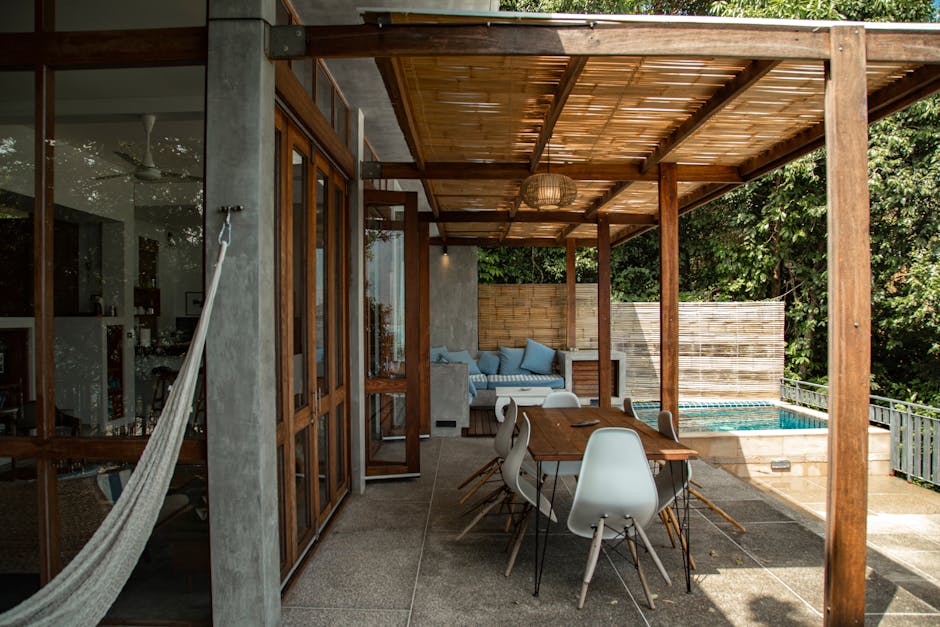
Pergolas are one of our most popular choices. With their open-beam design, pergolas strike a delightful balance by letting in dappled sunlight without feeling overwhelmingly sunny. Many homeowners opt for cedar pergolas because they’re naturally beautiful, weather-resistant, and age gracefully—turning a lovely silver-gray over time if left unstained.
We’ve seen clients get creative with their pergolas by adding adjustable louvers or retractable fabric covers for customizable shade. Others prefer training climbing plants (think wisteria or grapevines) along the beams for natural shade that increases every year.
A family in Chelmsford recently asked us to help them keep their patio cooler without sacrificing their lovely backyard views. We built a cedar pergola for them with slightly closer-spaced beams facing the south side, adding just enough extra shade during peak sunlight hours. They loved how it transformed their backyard patio from a place they rarely visited into their favorite outdoor living space.
If you’re looking for even more protection from the elements, gazebos might be the way to go. With their solid roofs, gazebos offer consistent shade and shelter from rain, making them perfect for those unpredictable New England weather days.
One of our clients in Lowell dreamed of extending their outdoor time well into the evening, without worrying about bugs or sudden rain showers. We created a custom gazebo with cedar posts, a standing seam metal roof, and removable screen panels. Now they’re grilling and dining outdoors even when it’s cloudy or misty—and the screen panels keep mosquitoes from crashing the party.
Adding pergolas or gazebos to your backyard patio does so much more than just blocking sunlight.
First off, there’s protection from the elements. A good shade structure provides shelter not only from the sun but also from drizzle, falling leaves, and other outdoor debris. This means your nice patio furniture stays looking newer, longer—no more faded cushions or weather-damaged tables.
We helped one family in Westford add a pergola with a retractable canopy over their dining area. They couldn’t stop raving about how wonderful it was to enjoy outdoor lunches even when a gentle summer rain passed through.
Shade structures also boost the aesthetic appeal of your patio. They add height, dimension, and visual interest to your outdoor space, making it feel more like an inviting outdoor “room.” Whether you go with classic cedar or sleek aluminum, a thoughtfully designed pergola or gazebo adds an architectural focal point that ties your entire patio together beautifully.
Perhaps the biggest benefit of all is that shade structures increase your patio usage time significantly. By cooling down your patio area throughout hot days and sheltering you from weather, these structures encourage you to spend more time outdoors—giving you maximum enjoyment and return on your patio investment.
One Billerica family we worked with told us that their west-facing patio used to be unbearably hot in the afternoons. After we added a pergola, they started spending three times as much time outside. Afternoons and early evenings, previously off-limits, quickly became their favorite patio times.
Plus, shade structures give you even more possibilities—think outdoor ceiling fans for added breeze, mounted heaters for chilly nights, or even integrated lighting systems to extend patio time well into the evening.
Whether you’re looking for just a little break from the summer sun or want year-round backyard comfort, a pergola or gazebo could be exactly what your patio needs. Let our experienced team at McLeod Landscaping help you create the perfect shady escape.
Next up, let’s talk privacy—because great patios feel cozy and secluded, even if you’ve got neighbors close by.
Let’s face it – even the most stunning Backyard Patio can feel a bit uncomfortable if you’re constantly on display to neighbors or passersby. In my three decades of designing outdoor spaces across the Merrimack Valley, privacy concerns consistently top the list for homeowners planning their dream patios.
The good news? Creating a sense of seclusion doesn’t mean building a fortress wall. There are countless creative ways to transform an exposed patio into your own personal sanctuary where you can truly unwind.
“I just want to enjoy my morning coffee without waving to the neighbors,” a client in Tewksbury once told me. This sentiment resonates with so many homeowners I’ve worked with – the desire for a balance between openness and privacy.

Privacy screens have come a long way from the basic lattice panels of yesteryear. Modern options include slatted designs that filter light beautifully, decorative metal panels with intricate cutouts, and even adjustable louvered systems. For a young couple in Tewksbury with a modest-sized patio, we created custom cedar screens with horizontal slats spaced to block direct sightlines while preserving airflow. The result? A patio that feels both open and protected.
Fencing remains one of the most comprehensive solutions, especially in denser neighborhoods like parts of Lowell or Wilmington. But today’s fencing is anything but basic – think sleek composite materials, decorative aluminum with custom patterns, or even tempered glass panels for areas where you want privacy without sacrificing a view. A well-designed fence can actually improve your patio’s aesthetic while providing that much-needed seclusion.
I’m also a big fan of using architectural elements creatively for targeted privacy. For a family in Burlington whose patio was primarily exposed to just one neighboring home, we installed a decorative garden wall with built-in planters. Not only did it block the critical sightline, but it also became a favorite feature that added character and charm to their space.
Nature provides some of the most beautiful privacy solutions for your Backyard Patio. Plants offer the perfect combination of seclusion and beauty – plus they improve air quality and create habitat for birds and beneficial insects.
Hedges are workhorses in the privacy department. For year-round screening in our New England climate, evergreens like arborvitae, yew, and holly are reliable performers. I particularly love arborvitae ‘Green Giant’ for creating a living wall that can reach 30-40 feet tall yet stays relatively narrow at 8-12 feet wide.
For a more formal look, boxwood creates a classic, manicured hedge. One Andover family I worked with wanted something that would blend with their wooded property rather than stand out. We created a mixed border of native shrubs – winterberry, viburnum, and serviceberry – that provides excellent screening while attracting wildlife and offering seasonal interest through changing foliage, flowers, and berries.
Vertical gardens are perfect for maximizing limited space by growing upward rather than outward. A townhome owner in Lowell had a small patio that felt like a fishbowl. We installed a series of custom cedar trellises with integrated planters at the base. Within just one growing season, the clematis and jasmine we planted created a gorgeous living privacy screen, changing the formerly exposed space into an intimate garden retreat.
The sweet fragrance of the jasmine became an unexpected bonus feature, with the homeowner telling me, “It’s like having natural aromatherapy every time I step outside.”
Potted plants offer flexibility that permanent installations can’t match. Large containers with tall ornamental grasses like Miscanthus or Pennisetum create movement and sound while screening views. Small trees like Japanese maple or containerized bamboo provide height, and dense shrubs like boxwood or holly offer year-round coverage.
This approach works beautifully for rental properties or when you want to test a privacy solution before making permanent changes. A client in Chelmsford used a combination of large planters with arborvitae and tall ornamental grasses to create a natural privacy screen that blocks the view from a nearby walking path. The beauty of this approach is that the containers can be rearranged as needs change or as you find which areas truly need screening.
“The most successful privacy solutions don’t feel like barriers – they improve the space while providing seclusion,” I often tell clients. By combining plants with thoughtfully designed structures, we can create privacy that feels natural and inviting rather than closed-off or fortress-like.
Whether you’re looking for complete seclusion or just want to block a specific sightline, there’s a privacy solution that can transform your Backyard Patio into the personal retreat you’ve been dreaming of. And the best part? Many of these options add beauty and value to your outdoor space while solving the privacy challenge.
Just because your yard is small doesn’t mean your outdoor dreams have to be! At McLeod Landscaping, we’ve helped countless homeowners across the Merrimack Valley transform compact backyard patios into stylish, comfortable retreats that feel surprisingly spacious.
The secret? Smart design that makes every square foot count.
Often people assume small patios are a design challenge, but we see them as opportunities for creativity. Instead of a limitation, limited space encourages thoughtful, multi-functional design that’s both practical and inviting. In fact, well-planned small patios often end up being our clients’ favorite spaces!
It’s no wonder searches like “small patio dining ideas” and “small outdoor patio ideas” are so popular—homeowners everywhere are looking for inspiration to make the most out of modest spaces. Luckily, we’ve got plenty of experience and ideas to share.
One key aspect of successful small patio design is choosing furniture and features that fit the scale of your space. Oversized or bulky items will quickly overwhelm your patio, making it feel even smaller. Instead, opt for pieces that complement your area without crowding. For example, a compact 10′ x 12′ paver patio we designed in Billerica turned a narrow, forgotten side yard into a cozy gathering space. By incorporating built-in bench seating along one side, we eliminated the need for separate chairs, freeing up valuable floor space and creating a welcoming, intimate atmosphere.
Another effective strategy is choosing multi-functional elements that serve more than one purpose. For instance, a low retaining wall or built-in bench can do double-duty, acting as both seating and surface space for drinks and snacks. Similarly, storage benches cleverly hide cushions, garden tools, and outdoor gear, keeping your small patio uncluttered and organized.
Visual tricks also work wonders to help small patios feel larger. Using the same paving materials throughout your backyard patio and adjacent pathways creates seamless visual flow, making the space appear bigger. Patterns matter too: laying pavers in diagonal or herringbone patterns draws the eye outward and expands the sense of space.
To help you get started, here’s a quick list of small patio design tips our team loves to share:
Speaking of furniture, choosing the right pieces can dramatically improve your small backyard patio’s functionality and comfort. Here are our top recommendations to make every inch count:
Bistro sets are classic space-savers and perfect for cozy dining or coffee breaks. Usually consisting of a small, round table with two matching chairs, these sets offer comfortable seating without eating up valuable space. Available in weather-resistant metals, natural woods, or recycled materials, bistro sets combine practicality with style. One happy client in Concord chose a foldable metal bistro set, creating the ideal spot for sipping morning coffee or unwinding with an evening glass of wine, and easily storable when they needed more open space.
Built-in seating maximizes efficiency by integrating seating directly into your patio design. This eliminates bulky chairs and saves precious floor area. Low perimeter walls topped with comfy cushions make fantastic built-in seating for a conversation nook or dining space. We recently worked with a homeowner in Lowell who wanted a small patio for entertaining; by designing a circular patio with built-in curved benches along the outer edge, we comfortably accommodated 6-8 people where standard furniture would barely seat four!
Foldable furniture is another excellent solution, pairing flexibility with convenience. Modern folding tables and chairs are stylish, comfortable, and easy to store when not in use. A family in Westford uses foldable deck chairs and a portable fire pit on their small patio, allowing quick rearrangements for larger gatherings or cozy evenings around the fire.
And let’s not forget the humble hammock—yes, hammocks! They offer a fun, space-saving alternative to traditional seating, providing relaxation without a large footprint. Many modern hammocks are easy to remove when you need the extra space back.
With over three decades of experience crafting beautiful, functional backyard patios, our team at McLeod Landscaping knows that size isn’t everything. It’s what you do with your space that counts. Let us help you open up the full potential of your small backyard patio and turn it into your favorite outdoor spot!
Creating a stunning backyard patio shouldn’t require emptying your bank account. With smart design choices, clever use of materials, and a bit of creativity, you can build an inviting outdoor space that feels luxurious without the hefty price tag.
Did you know that a thoughtfully designed patio can bring you a return on investment (ROI) of 55% to 75%? That means your patio isn’t just a beautiful spot to relax—it’s also a savvy home improvement choice. At McLeod Landscaping, we’ve spent over thirty years helping Merrimack Valley families create warm, welcoming patios that fit their lifestyles and budgets perfectly.
One of the simplest, most affordable patio styles is the gravel patio. Gravel is budget-friendly, easy to install, and can blend beautifully with casual garden settings. Forget the messy, shifting gravel patios of the past—today’s stabilized gravel systems stay put and look fantastic year-round. A Wilmington homeowner we worked with created a charming gravel patio surrounded by colorful perennial gardens, bringing warmth and charm to their cottage-style home. Best of all? It cost less than half the price of stone.
If you don’t mind a bit of hands-on work, DIY-friendly options can save big on labor costs. While our team at McLeod Landscaping loves providing full professional installation, we’re also here to guide ambitious DIYers. Projects like laying simple concrete pavers or installing gravel bases are manageable for homeowners comfortable with a weekend project.
Speaking of materials, here’s a handy comparison table to help you explore your options:
| Material | Average Cost Range (per sq. ft.) | Durability | Maintenance Level | DIY Friendly? |
|---|---|---|---|---|
| Gravel | $1–5 | Medium | Medium | Yes |
| Concrete Pavers | $4–12 | High | Low | Moderate |
| Poured Concrete | $6–15 | High | Low | No |
| Brick | $8–18 | High | Medium | Moderate |
| Flagstone | $15–30 | Very High | Low | Difficult |
| Porcelain Tile | $15–30 | High | Very Low | Moderate |
Note: These are average costs based on internet data and not actual costs for McLeod Landscaping services. Actual costs may vary significantly based on site conditions, design complexity, and regional factors.
Another practical approach we suggest is a phased implementation. Rather than building your dream patio all at once, consider designing a master plan that’s installed in stages. For instance, you could start with a basic patio surface and add an outdoor kitchen, fire pit, or pergola later as your budget allows. This strategy lets you enjoy your outdoor space sooner while spreading out the cost over time.
When it comes to keeping your patio budget-friendly, your choice of materials makes all the difference.
Loose materials like crushed stone, decomposed granite, or pea gravel provide beautiful, natural-looking surfaces at a fraction of the cost of solid pavers. Because these materials drain water quickly, they’re also perfect for New England’s freeze-thaw cycles. As one landscaping expert says, “Use gravel around fire pits and walkways, especially in areas frequently affected by heavy rains.” This way, you save money while getting a practical, year-round surface.
Concrete pavers offer exceptional value, balancing affordability and style. Factory-made concrete pavers come in countless styles and colors—some even mimic pricier natural materials like bluestone or flagstone. Recently, a family in Chelmsford wanted the look of natural bluestone but needed a more budget-conscious alternative. We recommended concrete pavers with realistic textures and blue-gray tones. The result was a gorgeous, high-end look for about half the cost.
Don’t overlook recycled materials either. Reclaimed brick, salvaged stones, or repurposed concrete slabs can create unique, character-filled surfaces. One of our favorite projects involved a historic home in Lowell, where we used reclaimed bricks from a local mill building. The patio became a beautiful nod to the area’s industrial heritage, and it saved the homeowners a healthy chunk of their budget.
You can also blend premium and budget-friendly materials strategically. For instance, use a smaller section of premium natural stone as a central dining area, surrounded by more economical concrete pavers. One creative Tewksbury client of ours placed decorative tile accents within a larger, simpler concrete paver field. It looked custom-made yet cost significantly less than an all-tile patio.
Finally, simplicity often equals beauty. A thoughtfully designed patio using modest materials can easily outshine a complicated design built with cut corners. At McLeod Landscaping, we pride ourselves on finding that sweet spot between budget and beauty, helping you create a patio you’ll truly love.
Ready to explore your affordable backyard patio options? Learn more about our patio design services and see how we can bring your vision to life!
Imagine stepping onto your backyard patio at dusk, greeted by the warm glow of soft, inviting lights. Done right, outdoor lighting transforms your patio from a daytime-only spot into your favorite evening retreat. At McLeod Landscaping, we’ve seen how thoughtful lighting can make patios feel magical after sunset, extending your enjoyment far into the evening hours.
Outdoor lighting isn’t just practical—it’s essential for creating atmosphere and highlighting your patio’s unique features. After all, there’s a reason “patio lighting ideas” remains one of the most highly searched topics online. Homeowners know that the right lighting design provides safety, mood, beauty, and functionality—all wrapped into one.

For example, nothing sets the mood quite like string lights. They add warmth, sparkle, and charm to your patio, turning ordinary evenings into festive gatherings. And don’t worry—today’s string lights are tough enough to withstand our Merrimack Valley weather, thanks to weatherproof LED bulbs. One of our Burlington clients installed string lights crisscrossing above their patio dining area, creating an enchanting “starry night” effect perfect for evening dinners and celebrations.
If you’re looking for eco-friendly and easy-to-maintain lighting, solar lights might be your new best friend. Forget complicated wiring and increased electricity bills; modern solar lights recharge by day and automatically illuminate at dusk. They’re especially great for illuminating pathways, steps, or highlighting flower beds and borders. One Carlisle family we worked with placed solar lights along their stone walkways, guiding guests safely through their property while beautifully showcasing their landscape at night.
The best lighting designs combine different types of fixtures for a layered effect, each serving a distinct purpose.
Pathway lights ensure safe movement throughout your outdoor space. Usually placed around paths, stairs, or patio edges, these fixtures throw gentle, downward-directed light to help guests steer safely after dark. For example, one recent patio project in Westford had several steps leading down to a seating area. By installing low-profile copper pathway lights along the steps, we made sure guests could safely find their way down—plus, the lights highlighted the beautiful stonework perfectly.
Accent lights help your patio’s best features really shine. Have a special tree, a striking fireplace, or a beautiful water feature? These directional lights can highlight each element, creating stunning nighttime focal points. A Tewksbury client had a gorgeous outdoor stone fireplace that they wanted to enjoy even without a fire blazing. We carefully placed subtle accent lights to cast a warm glow onto the stones, turning their fireplace into a striking focal point all evening long.
Security lights keep your patio safe without sacrificing style. Today’s security lights are unobtrusive yet effective, often activated by motion sensors. They can seamlessly blend into your design while providing peace of mind. A Chelmsford homeowner we worked with installed decorative wall sconces with built-in motion sensors along their garage near their patio. The result? Stylish lighting that complements the home’s architecture, provides helpful illumination when needed, and improves security.
At McLeod Landscaping, we believe layering these different types of lighting—ambient, task, accent, and safety lights—is the secret to a truly inviting outdoor space. Smart lighting systems make this even easier, allowing you to control brightness, set timers, and even change colors from your smartphone or remote control. Mood lighting for a romantic dinner party? Check. Bright illumination for outdoor cooking? No problem.
Whatever your lighting needs, we’re here to help you create the perfect ambiance for your backyard patio.
The best backyard patios aren’t just standalone spaces—they’re inviting extensions of your home’s interior. By seamlessly connecting indoor and outdoor living areas, you effectively expand your home’s usable space, creating the perfect environment for entertaining, relaxing, and family gatherings.
“Outdoor patios are frequently viewed as an extension of indoor living space,” notes one landscape design expert, and at McLeod Landscaping, we wholeheartedly agree. In our decades of experience serving Merrimack Valley clients, we’ve helped countless homeowners blur the lines between inside and outside, generating beautiful, cohesive spaces that flow naturally from room to patio.
A successful connection starts with thoughtful placement. Ideally, your patio should be conveniently accessible from main living areas like kitchens, dining rooms, or family rooms. Consider installing sliding doors, French doors, or modern folding glass doors. These large openings not only make accessing the patio easy but also improve the visual connection between inside and out.
One of our favorite projects was for a family in Andover, who renovated their kitchen to include wide sliding doors leading straight onto their new backyard patio. This upgrade transformed both their indoor and outdoor spaces, allowing guests and family members to mingle comfortably between the kitchen, dining area, and patio throughout the evening. Now their home feels twice as big when entertaining!
Visual continuity is another key factor in integrating your patio with your indoor spaces. You don’t need your patio to match your indoor decor exactly, but choosing complementary colors, textures, and materials can help the spaces flow naturally into each other.
Creating that seamless connection between indoor and outdoor spaces doesn’t require magic, just some thoughtful design choices (though we wouldn’t turn down a wand if you have one handy!):
One simple yet impactful approach is consistent flooring or complementary paving materials. While indoor hardwood can’t directly extend outdoors, using patio materials that echo your interior flooring colors or patterns can create a lovely visual harmony. For instance, we recently completed a patio project for clients in Burlington whose home featured gorgeous golden-toned hardwood floors. We selected sandstone for their patio in a similar warm-golden hue, resulting in a unified look that feels naturally connected.
Another fun approach is through complementary decor. Today’s outdoor furniture and accessories come in a vast array of styles and materials that rival indoor furnishings. You can easily extend your home’s design aesthetic to your outdoor space, making both areas feel cohesive and stylish. A client of ours in Lowell, passionate about mid-century modern design, outfitted their patio with clean-lined furnishings and geometric patterns that echoed their interior. Visitors now say it feels like stepping into a seamless extension of the home.
Maintaining visual continuity through architectural details can also go a long way. Choosing similar paint colors, repeating distinctive shapes (like curved edges or linear elements), or using the same stone or brick found on your home’s exterior can tie spaces together beautifully. “Choosing the right materials based on your home’s architectural style is key to creating a cohesive outdoor space,” advises one landscaping expert—and we couldn’t agree more.
Finally, consider how you handle level transitions. The smoother the transition from the indoor floor level to your outdoor patio, the more connected these spaces will feel. Ideally, your patio should sit at or very close to the same height as your indoor flooring. If your property requires elevation changes, gentle slopes or wide, inviting steps can help maintain a sense of openness and connection.
When thoughtfully designed, these transitions not only improve your family’s enjoyment of your outdoor areas but can also boost your home’s value—after all, you’re effectively adding extra living space! At McLeod Landscaping, our goal is always to create outdoor areas that feel like a natural and inviting extension of your home, designed specifically around your family’s lifestyle.
Choosing the right materials for your backyard patio involves finding the perfect balance between your budget, style preferences, home’s architecture, and New England weather conditions.
In our experience at McLeod Landscaping, we’ve found that natural stone materials like granite and bluestone are especially durable, easily standing up to the Merrimack Valley’s tough winters and seasonal temperature swings. High-quality natural stone patios can last decades or even generations, becoming more charming with age.
Concrete patios—whether poured or using concrete pavers—also hold up exceptionally well in our climate, making them a popular and budget-friendly choice. Brick patios add classic New England charm but require a bit more upkeep, especially in shady spots where moss can take hold. Gravel patios are another cost-effective option, ideal if you prefer a casual, rustic look, but they’ll need periodic raking and additional gravel as time passes.
When picking out materials, select something that complements your home’s style. Traditional homes in our area often look beautiful with natural stone or brick, while sleek concrete patios pair wonderfully with modern homes. At McLeod Landscaping, we often bring samples right to your property to show you exactly how they’ll harmonize with your home’s exterior in natural light.
Proper maintenance will ensure your backyard patio remains attractive, safe, and functional for years.
Natural stone patio maintenance is pretty straightforward. Regular sweeping and rinsing with water usually does the trick. Cleaning spills promptly helps avoid staining, and using a mild stone cleaner will handle tougher dirt. Every few years, applying a penetrating sealer can offer additional protection, especially for more porous stones like limestone or sandstone.
Concrete patios require slightly different care. Poured concrete patios benefit from resealing every two to five years, along with regular sweeping and occasional rinsing. Concrete pavers similarly need sweeping, periodic replenishment of joint sand, and resealing every two or three years to maintain their color and prevent weed growth.
If you have a classic brick patio, keep an eye on mortar joints, sweeping regularly and cleaning with mild detergent as needed. Brick patios can experience moss or weed growth, especially in shady areas—treat these spots quickly with a vinegar and water solution. Mortar joints might eventually need repointing, typically after 10 to 15 years or so.
For gravel or crushed stone patios, occasional raking is essential to maintain a level surface. Expect to add a layer of fresh gravel every few years to refresh the look and keep the surface firm. Applying a pet-friendly weed preventer can also help keep weeds at bay.
Since Merrimack Valley winters can be harsh, special winter care is important. Use plastic snow shovels or snow blowers with raised blades instead of metal shovels to avoid damaging your patio surface. Choose pet-safe ice melt products and use them sparingly when necessary. Good drainage also helps avoid damage from freeze-thaw cycles. And if possible, store patio furniture or cover it during winter months to keep it in great condition.
At McLeod Landscaping, we always provide detailed maintenance instructions specific to your patio’s materials, so you’re never left guessing.
The right accessories can truly transform your backyard patio from a simple outdoor space into a cozy, welcoming retreat that reflects your personality.
Outdoor rugs are a fantastic way to define specific areas, like seating or dining spots, and offer an easy pop of color and texture. Today’s weather-resistant rugs dry quickly, resist fading, and come in countless styles. We’ve seen beautiful results, like one of our Westford clients who used a bold blue geometric rug to anchor their patio’s seating area.
Cushions and throw pillows instantly add comfort and warmth, giving your patio furniture a cozy indoor feel. Outdoor-rated fabrics like solution-dyed acrylic (such as Sunbrella) are specifically designed to handle both sun and rain without fading or mildewing. Many of our Billerica clients love changing up their pillow colors seasonally—blues and greens for summer, reds and oranges for fall—creating a fresh look without having to purchase new furniture each season.
Decorative containers and planters are another great addition. They add greenery and visual interest, help define spaces, and can even improve privacy. One of our Lowell clients used tall rectangular planters with beautiful ornamental grasses to create a natural privacy screen, which also serves as an architectural element.
You might also consider outdoor artwork (which is now designed specifically for outdoor use), weather-resistant curtains if you have a pergola or gazebo, decorative lanterns, garden stools that can double as extra seating or handy side tables, and small water features or sculptures to add a soothing atmosphere.
Less is often more when accessorizing your patio—opt for quality pieces that delight you, serve a purpose, and hold up well in our New England climate. At McLeod Landscaping, we’re always happy to help our Merrimack Valley clients select patio accessories that complement their design beautifully and practically.
A great backyard patio is so much more than just concrete slabs or stone pavers—it’s your outdoor living room, your favorite gathering spot, and your personal retreat all rolled into one. At McLeod Landscaping, we’ve spent over 30 years turning outdoor spaces across the Merrimack Valley into beautiful, functional extensions of our clients’ homes. From Andover to Chelmsford, Billerica to Wilmington, we’ve helped homeowners create patios that are not only practical but also deeply personal.
The perfect patio blends three essential elements—functionality, durability, and beauty. Your patio should accommodate the way you actually live: whether that’s hosting big family cookouts, enjoying quiet mornings with a cup of coffee, or gathering around a fire pit on cool evenings. Choosing materials that suit our New England climate is key, ensuring your investment stands strong through every Merrimack Valley winter.
Backyard patios truly shine when they flow naturally from your home’s interior to your outdoor spaces. Details like consistent flooring, complementary décor, and thoughtful transitions make the difference between a patio that feels like an afterthought and one that’s an organic part of your home’s design. Imagine opening your sliding doors and stepping directly onto your outdoor dining area, seamlessly connecting your kitchen to the outdoor grill and entertaining space. That’s the kind of indoor-outdoor harmony we strive for in every project.
Of course, no patio would be complete without thoughtful finishing touches. Outdoor lighting, cozy furniture, decorative accents, and strategic plantings all help transform your patio into an inviting sanctuary. And don’t worry if your budget is modest—we’ve helped many homeowners create stunning outdoor spaces using smart, cost-effective choices like gravel patios, concrete pavers, and recycled materials. It’s not about spending more—it’s about designing smarter.
Creating exceptional outdoor spaces is both an art and a science. At McLeod Landscaping, our decades of experience means we understand what works and what doesn’t. But more importantly, we understand that each homeowner—and every backyard—is unique. We take the time to listen, asking the right questions and designing spaces specifically custom to your lifestyle, your home, and your budget.
Whether you’re just starting to dream up your new patio or you’re ready to dive into the details, we’d love to help. Check out more information about our patio design services to see exactly what we offer. From outdoor kitchens and fire pits to privacy screens and lighting design—we’ve got you covered.
Let’s create a backyard patio you’ll enjoy with family and friends for years to come—one filled with good conversation, lots of laughter, and plenty of memories. After all, the best patio isn’t just built—it’s lived in.
Contact McLeod Landscaping today at (978) 640-0957 or click here to schedule a consultation for retaining wall installation. Let our experienced team design and install a functional and visually appealing retaining wall that enhances your landscape.


1881 Main St Unit 1, Tewksbury, MA 01876