
A commercial landscaping RFP works best when every bidder is pricing the same property, the same tasks, and the same assumptions. If one proposal includes seasonal color, irrigation checks, and storm cleanup while another does not, the totals are not truly comparable.
The goal is not to prescribe how a landscape company must run its crews. It is to describe the site, required outcomes, service frequency, exclusions, and communication rules clearly enough that each proposal can be evaluated on equal terms.
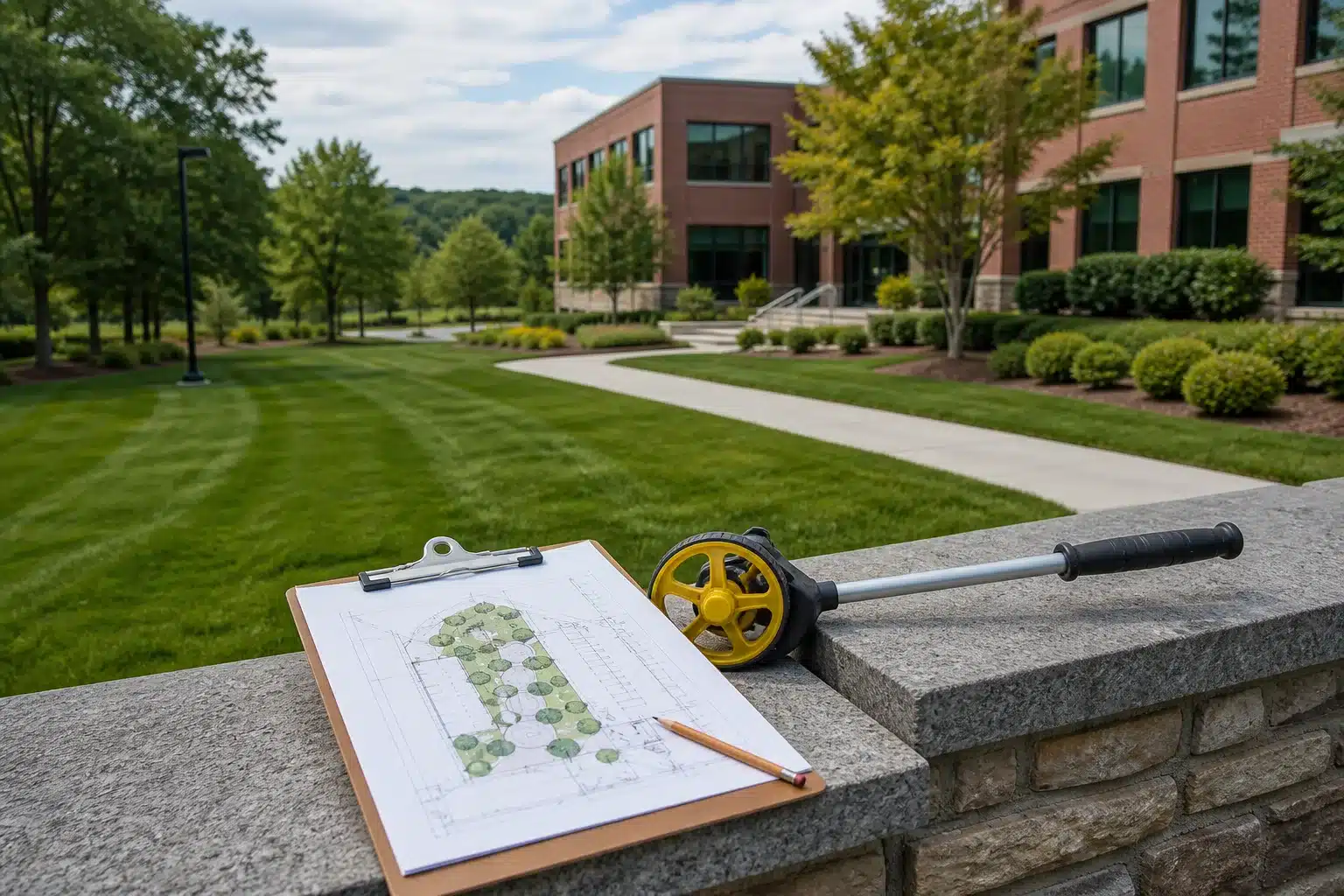
Begin with what a bidder can verify during a walk-through. Attach a current site plan or marked aerial image and identify the areas included in the contract. Record separate zones for turf, planting beds, walkways, parking edges, entrances, loading areas, and irrigation.
Label uncertain quantities as bidder-verified instead of presenting them as exact. That gives every company the same opportunity to confirm the property before submitting a price.
A matrix separates the work from the standard used to accept it. It also reveals gaps before the RFP is issued.
| Scope section | Define in the RFP | Ask bidders to state |
|---|---|---|
| Turf | Included areas, expected appearance, trimming edges, and seasonal limits | Visit pattern, cleanup method, and exclusions |
| Planting beds | Weed control, edging, mulch, and debris removal expectations | What is included in base service versus quoted separately |
| Shrubs and small trees | Pruning objective, clearance needs, and approval rules | Plant-size limits and work requiring a specialist |
| Irrigation | Inspection, reporting, seasonal startup, and shutdown responsibilities | Repair authorization and material pricing method |
| Seasonal work | Spring and fall cleanup outcomes and removal responsibilities | Included visits, timing assumptions, and weather contingencies |
| Reporting | Contact roles, issue escalation, and required visit records | Report format and response workflow |
Ask each bidder to separate the recurring base service from optional or variable work. A useful pricing form includes:
Do not compare only the bottom line. First normalize the proposals by moving exclusions and alternates into the same columns. A lower price may simply reflect fewer included tasks.
Name one property contact and ask the bidder to name one service contact. State how routine observations, urgent site issues, and proposed extra work should be communicated. No extra should proceed until the authorized contact approves its scope and price in writing.
For recurring service, define a simple acceptance loop: visit completed, exceptions documented, property contact notified, and unresolved items tracked to closure. This is more useful than a vague requirement to “maintain a professional appearance.”
Hold one walk-through for all invited bidders, distribute the same answers to questions, and issue written clarifications when the scope changes. Ask bidders to flag missing quantities, inaccessible zones, drainage concerns, damaged plant material, or unclear ownership boundaries before proposals are due.
McLeod Landscaping’s commercial property maintenance services provide a useful primary reference when defining the landscape work your property may need. When your site inventory and scope matrix are ready, request an estimate and share the same bid package with every invited company.
Contact McLeod Landscaping today at (978) 640-0957 or click here to schedule a consultation for retaining wall installation. Let our experienced team design and install a functional and visually appealing retaining wall that enhances your landscape.

1881 Main St Unit 1, Tewksbury, MA 01876