

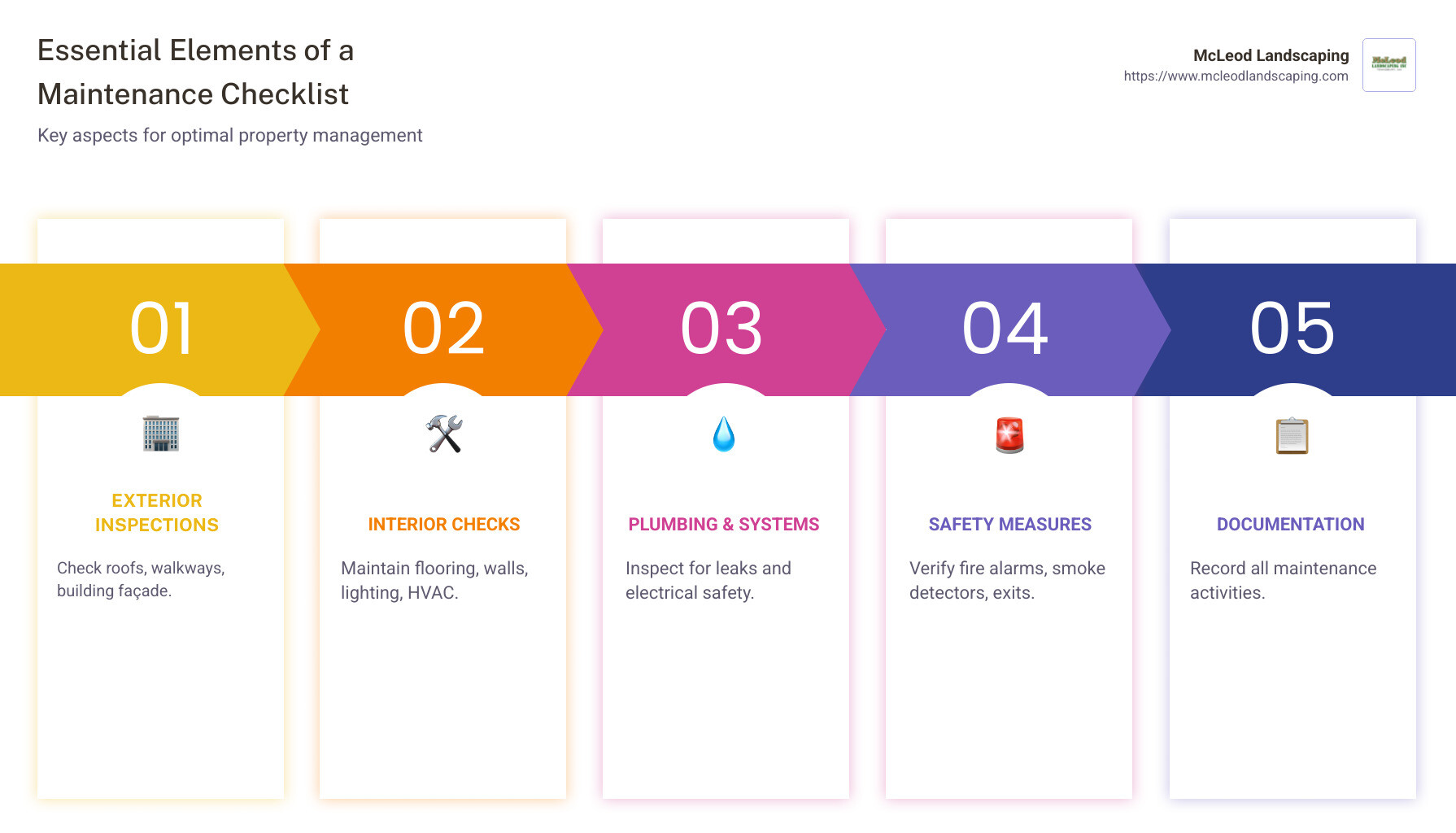
Commercial property maintenance checklist template is designed to streamline the upkeep of your building. By following a routine checklist, you ensure that safety, operational efficiency, and tenant satisfaction are never compromised. Here’s what a basic checklist might include:
Ensuring your commercial property remains in top condition requires coordination of various maintenance tasks—this is where a reliable commercial property maintenance checklist template becomes indispensable.
I’m Scott McLeod, owner of McLeod Landscaping. With over 30 years of experience, we help property managers effectively implement and customize their maintenance checklists for lasting results in the Merrimack Valley area.
Learn more about commercial property maintenance checklist template:
A commercial property maintenance checklist template is more than just a list. It’s a vital tool that ensures your property remains safe, efficient, and attractive.
Routine Maintenance
Routine maintenance is the backbone of any successful property management strategy. By scheduling regular checks, you can catch issues before they become costly problems. For instance, a small leak today might become a major water damage issue tomorrow. Regular inspections and maintenance can prevent these headaches.

Safety Checks
Safety is non-negotiable. Regular safety checks ensure that all systems, from fire alarms to emergency exits, are in working order. These checks not only protect your tenants but also help you comply with local safety regulations. A well-maintained property reduces liability and improves tenant trust.
Operational Efficiency
Operational efficiency is about more than just keeping things running. It’s about optimizing every aspect of your property to save time and money. For example, by using energy-efficient lighting and scheduling HVAC maintenance, you can significantly cut down on utility costs. Efficient operations also mean fewer disruptions for tenants, which boosts satisfaction.
By integrating these elements into your commercial property maintenance checklist template, you ensure that your property is not only well-maintained but also a safe and efficient space for all occupants. This proactive approach leads to a thriving environment that supports both business and tenant needs.
Creating a commercial property maintenance checklist template involves focusing on key areas that keep your property running smoothly. Here are the essential components to include:
Lighting is crucial for both functionality and safety. Regularly check all light fixtures to ensure they are operational. Replace faulty bulbs immediately to maintain a well-lit environment. Consider upgrading to energy-efficient LED lights to reduce energy costs. Automated lighting systems can further improve efficiency by adjusting based on occupancy and daylight.
Your heating, ventilation, and air conditioning (HVAC) systems need routine attention. Regular servicing helps maintain air quality and ensures efficient operation. Schedule seasonal checks to clean air ducts, replace filters, and inspect for any leaks or blockages. Well-maintained HVAC systems can significantly extend the lifespan of the equipment and improve energy efficiency.
Plumbing issues can escalate quickly if not addressed promptly. Regularly inspect all pipes, water heaters, and drainage systems for leaks or blockages. Ensure that all fixtures, such as faucets and toilets, are in good working order. Address any signs of rust or mineral buildup in water lines to prevent larger issues down the road.
Electrical safety is paramount. Conduct regular inspections of electrical panels, outlets, and wiring. Look for signs of wear, such as frayed wires or loose connections, which could pose safety hazards. Ensure that all electrical systems comply with local safety standards and regulations. Routine checks can prevent costly repairs and ensure a safe environment for all occupants.
Safety equipment, like fire alarms, smoke detectors, and emergency lighting, must be in top condition. Test these systems regularly and replace batteries or faulty units as needed. Ensure that fire extinguishers are accessible and serviced according to manufacturer guidelines. Regular testing and maintenance of safety equipment are critical to ensuring the safety of tenants and compliance with local regulations.
By incorporating these key components into your commercial property maintenance checklist template, you create a comprehensive guide that ensures the safety, efficiency, and longevity of your property. This proactive approach not only improves property value but also ensures a safe and comfortable environment for tenants and visitors alike.
Seasonal changes bring unique challenges to maintaining commercial properties. A structured approach to seasonal maintenance ensures that your property remains in top condition year-round. Here’s a breakdown of essential tasks for each season:
Spring is all about rejuvenation and preparation for the warmer months. Start by inspecting HVAC ducts for dust and debris buildup. Clean and service air conditioning units, focusing on coil maintenance for optimal performance.
Landscaping is another priority. Trim trees and shrubs, mow and aerate the lawn, and fertilize the grass. Clear debris from garden beds and tidy up the landscaping. It’s also a good time to check the irrigation system and set a watering schedule.
Make sure to clear drains and gutters to prevent water damage. Pressure wash hardscapes and walkways, and inspect outdoor lighting for any damage. Don’t forget to check backup electrical systems if applicable.
Summer heat can be tough on your property. Keep the roof free of debris and inspect it for any damage. Ensure the trash and recycling area is clean and organized.
Check windows for proper operation and sealing. Inspect structural materials for any signs of rot, peeling paint, or rust. The parking lot should also be inspected for cracks or water runoff issues.
As the seasons change, prepare your property for the colder months. Rake and remove fallen leaves to prevent buildup. Service the furnace or boiler and check filters to ensure efficient heating.
Winterize irrigation lines to protect them from freezing. Mark streets and driveways for snow plow visibility. Inspect pipes and windows for proper insulation and seal any cracks in parking lots or asphalt.
Winter maintenance focuses on protecting your property from harsh weather. Prepare landscaping and structures for winter conditions. Inspect the roof and gutters for ice dams, which could lead to leaks.
Inside, check the kitchen, bathroom, and common areas for any maintenance issues. Ensure all GFCI outlets and light switches function correctly. Inspect ceilings and floors for damage, particularly water damage.
Consider hiring snow and ice removal services to keep pathways clear and safe. Regular inspections can catch issues early and prevent costly repairs.
By implementing these seasonal maintenance tasks, you can extend the life of your property and avoid unexpected repairs. Tailoring your commercial property maintenance checklist template to include these tasks ensures your property is always ready for the challenges each season brings.
Creating a commercial property maintenance checklist template that fits your specific needs is crucial. A one-size-fits-all approach won’t work. Here’s how you can tailor your checklist to meet your property’s unique requirements.
Every property is different. Consider the specific features and amenities of your building. For example, if your property has elevators, include regular inspections and maintenance in your checklist. If there’s a rooftop garden, add plant care and irrigation checks.
Think about the materials used in your building. For instance, wooden structures might need more frequent inspections for rot and pests compared to steel or concrete.
The climate in your area plays a big role in determining maintenance needs. Properties in colder regions, like those in Massachusetts, might require more frequent checks on heating systems and insulation. Meanwhile, properties in warmer climates should focus on cooling systems and sun damage.
Adjust your checklist to address seasonal weather patterns. For instance, prepare for heavy snow in winter by ensuring your roof can handle the load. In summer, focus on keeping HVAC systems running efficiently to combat heat.
How often you perform maintenance tasks depends on several factors. High-traffic areas might need daily or weekly checks, while less-used areas could be inspected monthly or quarterly.
Use technology to your advantage. Many property management software solutions offer reminders and scheduling features to help you stay on top of maintenance tasks. This ensures you don’t miss critical inspections and repairs.
Regular maintenance not only extends the lifespan of your property but also keeps tenants and visitors safe. By customizing your maintenance checklist to fit your property-specific needs, climate considerations, and desired frequency of checks, you create a proactive approach to property management. This helps you stay ahead of potential issues and maintain a high standard of care for your commercial property.
A well-rounded commercial property maintenance checklist template should cover all essential aspects to keep your building in prime condition. Here’s a quick rundown of key components:
Each building may have unique needs, so customize your checklist accordingly. For instance, properties with outdoor amenities like pools or playgrounds should include regular safety inspections for these areas.
The frequency of maintenance checks varies depending on the type of property and specific needs. Here are some general guidelines:
Using property management software can help automate reminders for these tasks, ensuring nothing falls through the cracks.
Preventive maintenance is crucial for several reasons:
By prioritizing preventive maintenance, you not only protect your investment but also create a positive experience for everyone who uses your property.
In commercial property maintenance, having a solid plan is crucial. At McLeod Landscaping, we understand the importance of keeping commercial properties in prime condition. With over 30 years of experience serving the Merrimack Valley, we offer comprehensive services that cover all your landscaping and maintenance needs.
Our commercial property maintenance checklist template is designed to help property managers stay ahead of potential issues. By systematically addressing maintenance tasks, you can ensure that your building remains safe, operational, and inviting for tenants and visitors alike.
Why Choose McLeod Landscaping?
By choosing McLeod Landscaping, you’re not just maintaining your property; you’re investing in its future. Our commitment to quality and customer satisfaction ensures that your commercial space will remain a valuable asset for years to come.
For more information on how we can help you craft the perfect maintenance plan, visit our Commercial Property Maintenance page. Let us partner with you in creating a thriving and well-maintained commercial environment.
Contact McLeod Landscaping today at (978) 640-0957 or click here to schedule a consultation for retaining wall installation. Let our experienced team design and install a functional and visually appealing retaining wall that enhances your landscape.


1881 Main St Unit 1, Tewksbury, MA 01876