
Installing sod in the winter might sound counterintuitive, but it’s one of the smartest lawn decisions you can make. Here’s what you need to know:
Can you install sod in winter?
Many homeowners think winter is a dead season for grass, but dormant doesn’t mean dead. While your new sod is dormant, its roots are slowly developing underground, giving you a huge head start for spring.
More sod dies from summer heat stress than winter freezes. At 90°F, grass can dehydrate and die. Winter sod, however, simply hibernates, using minimal water to build a strong root system.
Why winter sodding works:
I’m Scott McLeod, and with over 30 years of landscaping in the Merrimack Valley, I’ve seen countless successful winter sod installations. Installing sod in the winter is one of our most popular services because it’s more effective than fighting summer heat and drought.

Know your installing sod in the winter terms:
Installing sod in the winter isn’t just possible—it’s a brilliant way to get a head start on the perfect lawn. The advantages are significant, especially when compared to the challenges of summer installation.
The biggest game-changer is water savings. Winter sod needs only about 0.25 inches of water per week, a fraction of the daily watering required in summer. This is because cool temperatures and natural moisture reduce evaporation, allowing the sod to establish without constant irrigation. Your water bill will thank you.
Another major benefit is avoiding heat stress. Heat stress kills more sod than winter cold. When temperatures climb above 90°F, new sod can literally cook, as its delicate roots can’t absorb water fast enough. Winter provides a gentle, forgiving environment where sod can focus on building strong roots instead of just surviving the heat.
Other advantages include:
The main downside is aesthetic: your lawn won’t look green and lush until spring. However, this minor drawback is small compared to the long-term benefits of a well-established root system.
More info about our Residential Sod Installation services
Dormancy isn’t death—it’s hibernation for grass. When soil temperatures drop, cool-season grasses stop producing chlorophyll (the green pigment) and conserve energy to maintain their core structure. Above ground, the grass looks brown or tan.
Underground, however, the root system stays active. Roots continue to develop slowly throughout the winter, anchoring deeper and building the foundation for explosive spring growth. The crown of each grass plant remains alive, ready to break dormancy and green up rapidly when spring temperatures consistently hit the 50s.
This slow winter root development is your secret weapon. Spring-installed sod has to establish roots and green up at the same time, splitting its energy. Your winter-installed sod has already built its foundation, so all its energy goes into creating a thick, green lawn when warm weather arrives.
When installing sod in the winter, choosing the right grass type is crucial. The decision depends on your climate and which grasses can handle cold weather.
Grasses fall into two camps: cool-season and warm-season. Cool-season varieties are winter warriors, built for colder temperatures and can often be installed year-round. Warm-season grasses love heat and go dormant (turn brown) when it gets cold. Installing them in winter only makes sense in warmer climates (USDA Zones 8b-11) where prolonged freezes are rare.
Your geographic location is key. Here in the Merrimack Valley, we are in zones 5b to 6b, so we focus exclusively on cool-season grasses that can survive our New England winters.
Check your zone on the USDA Plant Hardiness Map
Here’s a comparison of the two grass types for winter installation:
| Feature | Cool-Season Grass | Warm-Season Grass |
|---|---|---|
| Winter Appearance | Stays green (growth slows) | Goes dormant (brown/yellow) |
| Ideal Winter Install | Yes, year-round potential | Only in mild winter climates (Zones 8b-11) |
| Root Development in Winter | Slow but continuous | Slow but continuous |
| Water Needs in Winter | Low | Very low |
| Cold Hardiness | High | Low to Moderate |
| Primary Benefit | Early green-up, immediate ground cover | Erosion control, head start for spring |
For our climate in the Merrimack Valley, certain cool-season grasses are proven champions. After 30 years of installing sod in the winter in communities like Tewksbury and Lowell, these are our top recommendations:
These cool-season varieties are our go-to choices for projects in Concord, Carlisle, and our other service areas because they are adapted to our regional climate.
Successful winter sodding requires proper timing. The magic number is 20°F. If temperatures consistently drop below this, it’s best to wait, as even cool-season grasses have their limits in a deep freeze.
Ground condition is more important than air temperature. You can install sod on frozen ground, but only if the soil was properly tilled, amended, and leveled before it froze. Laying sod on bumpy, unprepared frozen ground is a recipe for failure.
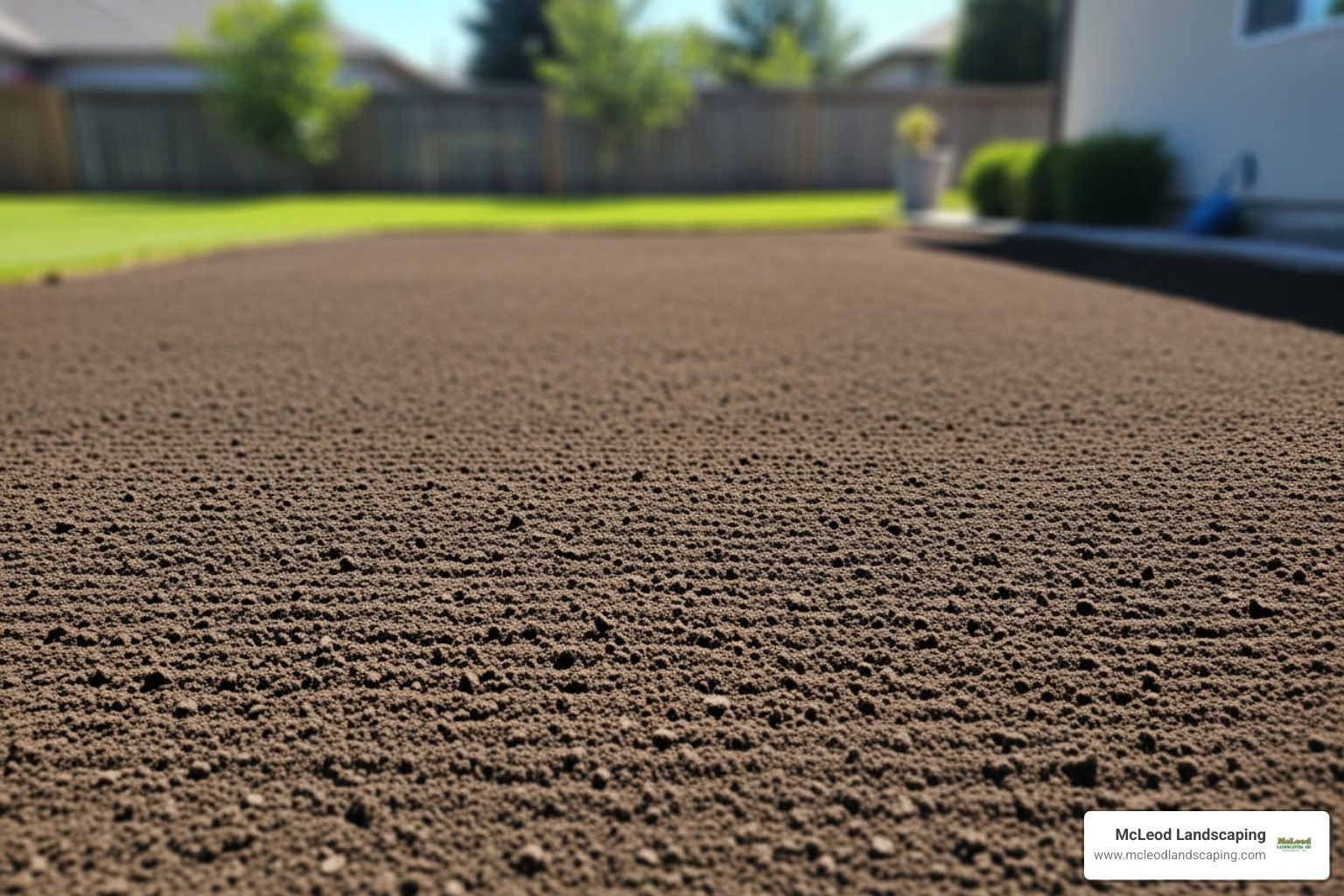
Installing sod in the winter is straightforward with the right approach. Success depends on thorough preparation before the ground freezes to set the stage for spring growth.
Think of it like planting a fall garden; you’re not expecting immediate results but are building a foundation for a thriving lawn when warm weather arrives. Proper prep makes all the difference.
This step is non-negotiable for winter sod success. Fall soil preparation is often easier than in spring because the ground isn’t waterlogged from snowmelt.
This pre-freeze preparation is what allows for successful installation even on frozen ground, as the sod can make proper contact with the prepared surface.
While winter gives you more flexibility than summer (sod can last up to two weeks in temps below 40°F), you should still install it promptly. Have your tools ready: a sharp utility knife, rake, shovel, garden hose, and a water-filled lawn roller.
Yes, you can install sod on frozen ground, but only if the soil was properly prepared before it froze. Laying sod on unprepared, frozen ground prevents the necessary sod-to-soil contact and will likely lead to failure.
Once laid, the sod acts as an insulating blanket, protecting the soil beneath from deeper freezing. This helps maintain slightly warmer temperatures at the root level.
Avoid working with unprepared frozen ground, over-compacting cold soil, and skipping the initial watering. That first watering is crucial for settling the sod, even in winter.

After installing sod in the winter, the aftercare is simple. Your main job is to protect your dormant lawn until spring arrives. You won’t be mowing, fertilizing, or fighting weeds.
Winter watering isn’t for growth; it’s to keep the sod from drying out.
Treat your winter-installed sod like a hibernating bear: leave it undisturbed.
When temperatures rise in spring, don’t be alarmed if the green-up is slightly patchy at first. Your patience will be rewarded with a lawn that’s rooted and ready to grow, weeks ahead of spring-installed projects.
Explore our full range of Residential Landscaping Companies services
Homeowners naturally have questions about installing sod in the winter. After 30 years of serving the Merrimack Valley, here are our answers to the most common concerns from clients in Tewksbury, Lowell, and Westford.
The cost of installing sod in the winter depends on several factors, including lawn size, the extent of soil preparation required, and the type of sod you choose. Larger areas often have a lower cost per square foot.
Based on internet research, sod installation can range from $0.30 to $0.95 per square foot for simple projects. However, complex jobs that require extensive site work, have challenging access, or use premium materials can range from $1.50 to $4.50 per square foot or more.
Important note: These are average costs based on internet data and not actual costs for McLeod Landscaping. We provide customized quotes for every project based on your specific needs.
Learn more about the Cost of New Sod Installed
This is our most common question. The answer is no, your new sod will not look dead all winter, at least not in New England. We use cool-season grasses like Tall Fescue and Kentucky Bluegrass, which stay green. The color might be a duller green with some brownish tints during the coldest periods, but it won’t be fully brown.
The confusion comes from warm-season grasses (used in zones 8b-11), which do turn brown when they go dormant. But for our climate, dormant doesn’t mean dead. The grass is simply conserving energy while its roots develop underground.
Winter sod rooting is a slow, steady process. Unlike in warmer months when roots might establish in 2-3 weeks, winter sod takes the entire season to develop its root system. You won’t see rapid root growth until soil temperatures warm up in spring.
The sod will “stick” to the prepared soil fairly quickly due to moisture and settling. You can check by gently lifting a corner after a few weeks; resistance means it’s taking hold. This slow process happens when you’re not using the lawn anyway, giving you a fully rooted lawn by the time you’re ready for spring activities.
Installing sod in the winter is a smart landscaping secret. While others battle summer heat stress and peak season pricing, your lawn will be quietly establishing itself for a spectacular spring debut.
The benefits are clear: 75% less water usage, zero heat stress, minimal weed competition, and immediate erosion control. The most satisfying advantage is watching your lawn green up faster and more uniformly than any spring-installed sod.
In New England, winter sodding is not just viable—it’s often a better approach. Cool-season grasses like Kentucky Bluegrass and Tall Fescue are perfectly suited for it, developing strong roots underground while staying mostly green.
At McLeod Landscaping, we’ve proven this concept works for over 30 years across the Merrimack Valley. From commercial properties in Tewksbury to residential projects in Andover, winter sod installation is a popular service for clients who want to skip the spring rush.
The process requires expertise in timing the installation, preparing the soil before a freeze, and managing aftercare. Our three decades of New England experience ensure your investment pays off with a gorgeous lawn.
Don’t wait another season. Adopt the strategy that gives you the ultimate head start on lawn perfection.
Contact us today to schedule your Residential Sod Installation
Contact McLeod Landscaping today at (978) 640-0957 or click here to schedule a consultation for retaining wall installation. Let our experienced team design and install a functional and visually appealing retaining wall that enhances your landscape.


1881 Main St Unit 1, Tewksbury, MA 01876