
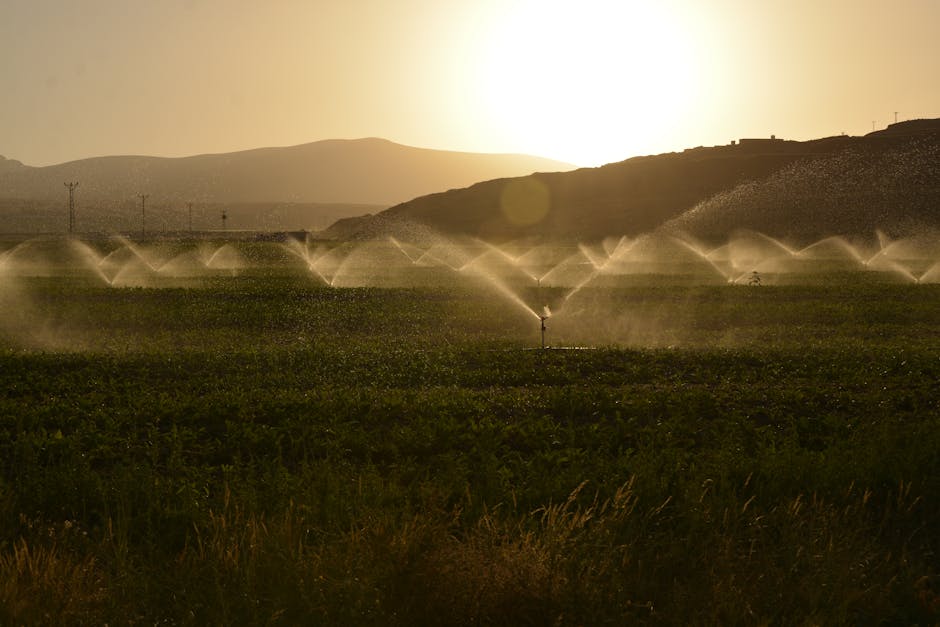
When hiring irrigation system installers, it’s crucial to choose the right professionals to ensure that your landscape remains vibrant and healthy. These experts are pivotal for managing efficient water distribution to your plants, ultimately saving you time and conserving water.
Key Considerations:
– Expertise in different irrigation systems
– Custom solutions for your property’s needs
– Efficient water usage and cost savings
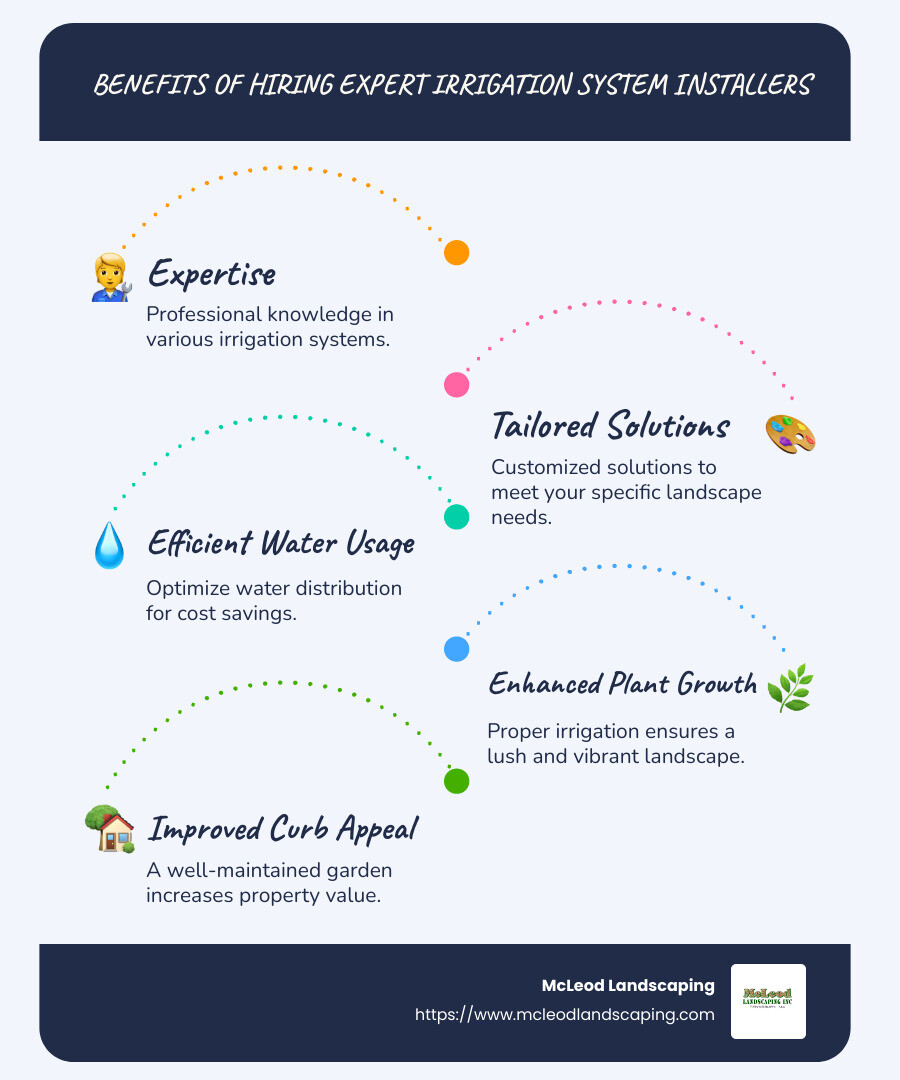
Choosing knowledgeable irrigation system installers can transform your garden or commercial landscape, providing a lush environment that adds value and appeal to your property. Properly installed systems facilitate optimal plant growth and improve curb appeal.
My name is Scott McLeod, owner of McLeod Landscaping, and with over three decades of experience, I have helped countless clients with landscaping and selecting the best irrigation system installers to meet their specific needs.
Irrigation system installers word roundup:
– how are irrigation systems installed
– how to install an irrigation system
– how much does it cost to install an irrigation system
When it comes to keeping your garden lush and vibrant, choosing the right irrigation system is key. Sprinkler systems and drip irrigation are two of the most popular options, each offering unique benefits for different landscapes.
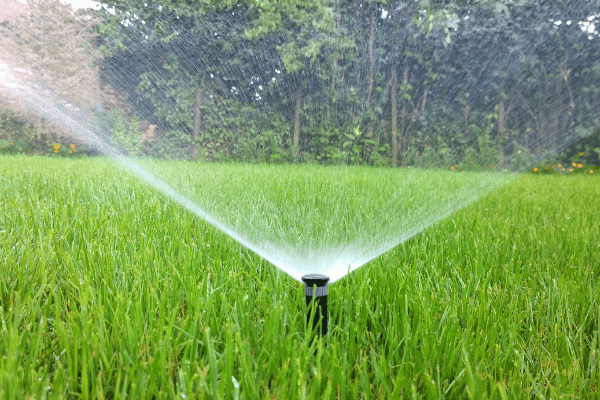
Sprinkler systems are a common choice for both residential and commercial landscapes. They work by distributing water in a spray pattern, much like natural rainfall. These systems are versatile and can be customized with various types of sprinkler heads to suit the specific needs of your lawn.
Sprinkler systems are great for larger areas but can sometimes lead to water wastage if not properly managed.
Drip irrigation systems offer a more targeted approach. They deliver water directly to the roots of plants, which makes them highly efficient and minimizes water loss due to evaporation or runoff.
Drip irrigation is especially beneficial in regions with water restrictions or for gardens with plants that have different water requirements.

Water conservation is a significant advantage of both systems. Drip irrigation, in particular, can save up to 50% more water compared to traditional sprinklers. By delivering water directly to the root zone, it reduces runoff and evaporation, leading to healthier plants and a reduced water footprint.
Incorporating smart irrigation systems with weather sensors and programmable timers can further improve water efficiency, adapting to changing weather conditions and ensuring your plants get exactly what they need.
By understanding the differences between these irrigation systems, you can make an informed decision that suits your landscape’s unique needs, helps conserve water, and promotes healthy plant growth.
Selecting the right irrigation system installers is crucial for ensuring your landscape gets the care it needs. Here are some key factors to consider:
Experience matters. An installer with years of experience is more likely to understand the nuances of different landscapes and irrigation systems. They can adapt to unexpected challenges and offer solutions that a less experienced installer might miss.
Consider this: McLeod Landscaping, with its extensive expertise, knows how to tailor systems specifically for the Merrimack Valley’s unique climate and soil conditions. Their seasoned professionals can provide insights and recommendations that are backed by years of hands-on experience.
Certifications are a sign of professionalism and competence. They indicate that the installer has met specific industry standards and is committed to quality work.
For example, a certified installer might have credentials from recognized bodies like the Irrigation Association. These certifications assure you that the installer is knowledgeable about the latest techniques and technologies, ensuring your system is efficient and up-to-date.
Customer reviews offer a real-world perspective on an installer’s performance. They can provide insights into the quality of service, reliability, and customer satisfaction.
Look for reviews that mention specific aspects of the installation process, such as timeliness, communication, and problem-solving skills. A company like McLeod Landscaping, known for its excellent customer feedback, demonstrates its commitment to meeting and exceeding customer expectations.
“Sergio was honest with the options I needed for the repair.”
By focusing on these key factors—experience, certifications, and customer reviews—you can choose an irrigation system installer who will deliver exceptional results and ensure your landscape remains vibrant and healthy.
When it comes to keeping your landscape lush and green, choosing the right type of irrigation system is key. Let’s explore the three main types: sprinkler systems, drip irrigation, and precision mobile irrigation.
Sprinkler systems are like artificial rain for your lawn. They spray water over large areas, mimicking natural rainfall. These systems are popular for both residential and commercial landscapes.
Sprinkler systems are a versatile choice, but they can sometimes lead to uneven watering if not installed correctly. Regular maintenance, like checking for clogged nozzles, can help prevent issues like dry spots or overspraying. Read more about common sprinkler issues and solutions.
Drip irrigation is all about precision. It delivers water directly to the roots of plants, minimizing water loss due to evaporation or runoff. This system is ideal for gardens, flower beds, and hedges.
Drip irrigation is highly efficient and can save up to 70% more water compared to traditional methods. It’s a great choice for water conservation and is especially beneficial in areas prone to drought.
Precision mobile irrigation is the future of watering systems. It uses smart technology to adjust water usage based on real-time data, like weather conditions and soil moisture levels.
Precision mobile irrigation is ideal for tech-savvy homeowners who want to maximize water efficiency and minimize waste. It’s a step towards sustainable landscaping and can significantly reduce water bills.
Choosing the right irrigation system depends on your specific landscape needs, water conservation goals, and budget. Whether you opt for the traditional efficiency of sprinkler systems, the precision of drip irrigation, or the advanced technology of precision mobile systems, each has its unique benefits to offer.
Next, we’ll dive into the cost considerations for installing these systems, helping you make an informed decision that fits your budget.
When planning for an irrigation system, understanding the costs involved is crucial. Let’s break down the main cost components: installation costs, maintenance costs, and zone pricing.
The initial cost of installing an irrigation system can vary widely based on several factors. These include the size of your property, the type of system you choose, and the complexity of the installation.
It’s important to get a detailed estimate from your irrigation system installers to understand what your specific project will entail.
Once your system is installed, regular maintenance is key to keeping it running efficiently. This includes:
Routine maintenance helps prevent costly repairs down the line and ensures your system operates at peak efficiency.
Irrigation systems are often divided into zones, each with its own watering schedule. Zone pricing can impact both installation and maintenance costs.
Understanding these cost factors can help you budget effectively for your irrigation system. Consider your landscape’s specific needs and consult with irrigation system installers to find the best solution for your property.
In the next section, we’ll address some frequently asked questions about irrigation system installers, providing further clarity on how to choose the right professionals for your project.
The cost of installing an irrigation system can vary significantly. Factors such as the size of your property, the type of system, and the complexity of the installation all play a role.
When getting quotes, ensure you understand how zone pricing will affect your total cost.
While plumbers are skilled in working with water lines, irrigation systems require specialized knowledge.
For the best results, hire a dedicated irrigation system installer who can handle both the plumbing and the system design.
Estimating the cost involves several considerations:
To get an accurate estimate, consult with irrigation system installers who can assess your property and provide a detailed breakdown of costs. This will help you plan and budget effectively for your irrigation needs.
In the following section, we’ll conclude with an overview of McLeod Landscaping’s comprehensive services available in the Merrimack Valley area.
Choosing the right irrigation system installers is crucial for ensuring a healthy and vibrant landscape. At McLeod Landscaping, we offer comprehensive services custom to meet the unique needs of both residential and commercial clients in the Merrimack Valley. With over 30 years of experience, our team is dedicated to providing exceptional service and quality workmanship.
Our expertise extends beyond just irrigation systems. We specialize in a wide range of landscaping services, including design, installation, and maintenance. Whether you need a new lawn, hardscaping elements like patios or firepits, or seasonal maintenance, McLeod Landscaping has you covered. Our goal is to create and maintain beautiful, sustainable landscapes that improve the value and appeal of your property.
We understand the importance of water conservation and efficient irrigation. Our systems are designed to minimize water waste while ensuring your plants receive the right amount of hydration. By choosing McLeod Landscaping, you benefit from our commitment to using the latest technology and best practices in the industry.
For those in the Merrimack Valley looking to improve their landscape, we invite you to learn more about our irrigation system services. Find how our comprehensive approach can transform your outdoor spaces into thriving, sustainable environments. Contact us today to get started on your next project.
Contact McLeod Landscaping today at (978) 640-0957 or click here to schedule a consultation for retaining wall installation. Let our experienced team design and install a functional and visually appealing retaining wall that enhances your landscape.

1881 Main St Unit 1, Tewksbury, MA 01876
