
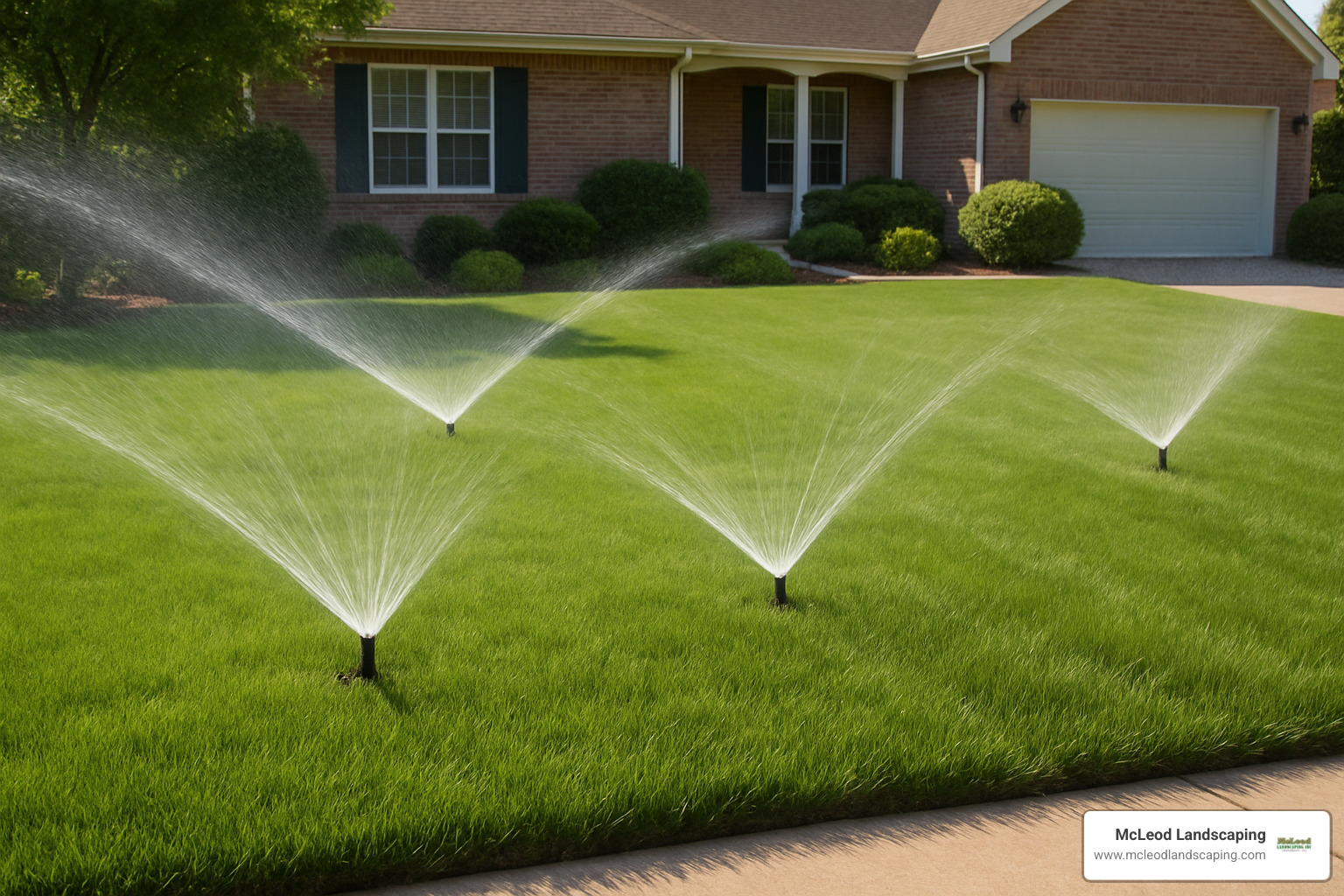
Looking for the best irrigation systems for lawns? Here’s a quick overview of your main options:
| System Type | Best For | Ease of Installation | Water Efficiency | Approximate Coverage |
|---|---|---|---|---|
| Above-Ground | Small lawns, renters | Easy (DIY) | Moderate | 1,000-3,000 sq ft |
| Drip Irrigation | Gardens, plant beds | Moderate (DIY) | High | Customizable |
| Underground | Medium to large lawns | Complex (Pro recommended) | High with smart features | Customizable zones |
| Smart Controllers | Existing systems | Easy upgrade | Very high | N/A (controller only) |
| Hose-End Precision | Odd-shaped areas | Very easy (DIY) | High | Up to 2,800 sq ft per unit |
Irrigation systems for lawns are essential investments for maintaining a healthy, vibrant landscape while conserving water and reducing maintenance time. From simple above-ground options to sophisticated in-ground networks with smart controllers, today’s irrigation technology offers solutions for every property size, shape, and budget.
The right system can reduce your water usage by up to 30% while delivering precise hydration exactly where and when your lawn needs it. Whether you’re a homeowner tired of dragging hoses or a property manager seeking to improve curb appeal and reduce maintenance costs, modern irrigation delivers both convenience and conservation.
According to the EPA, residential landscapes account for 70% of outdoor water use in the U.S., making efficient irrigation one of the most impactful water-saving investments you can make. With WaterSense-labeled products using at least 20% less water than conventional systems, the environmental and financial benefits are substantial.
I’m Scott McLeod, owner of McLeod Landscaping, and I’ve designed and installed irrigation systems for lawns for over three decades, helping hundreds of commercial and residential clients in the Merrimack Valley area achieve beautiful, sustainable landscapes through proper irrigation planning and implementation.
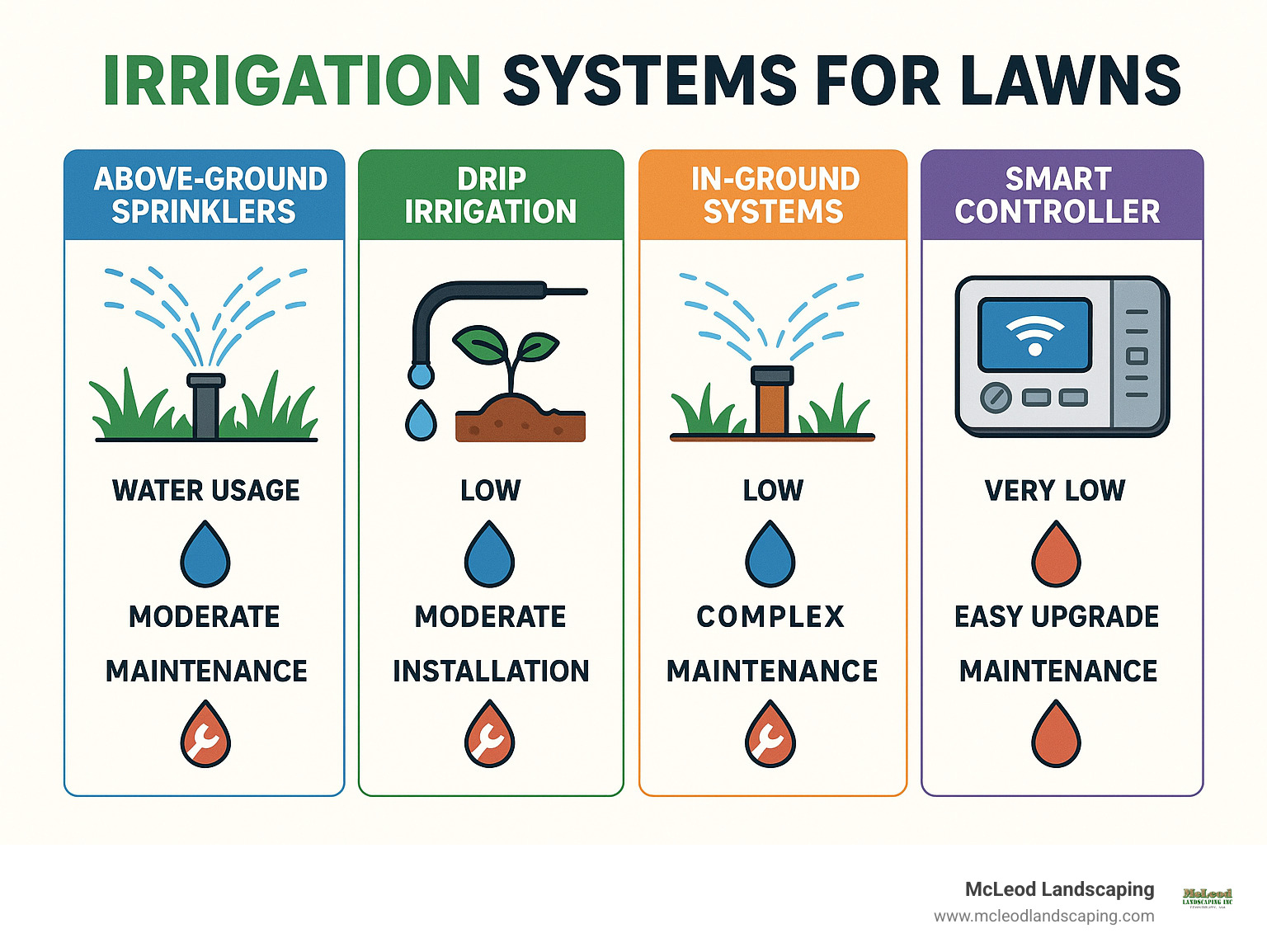
Simple guide to irrigation systems for lawns:
– drip irrigation systems
– how much do lawn irrigation systems cost
– types of lawn irrigation systems
Finding the perfect irrigation system for your lawn shouldn’t feel like searching for a needle in a haystack. As someone who’s installed countless systems across Massachusetts, I’ve learned what works—and what doesn’t—when it comes to keeping lawns lush without wasting water or breaking the bank.
Our selection process wasn’t just about picking popular brands. We rolled up our sleeves and evaluated systems based on what actually matters to homeowners. First, we considered lawn size compatibility—because what works for a cozy urban yard won’t necessarily serve a sprawling commercial property. We also examined how easily systems could be divided into zones, allowing you to water your sun-scorched front yard differently than your shaded backyard.
Water pressure makes a huge difference in system performance. Most homes operate between 40-75 PSI, so we focused on systems that perform beautifully within this range. And let’s face it—nobody wants to be that neighbor who waters their lawn during a rainstorm, which is why automation capabilities factored heavily in our ratings.
I’m particularly proud of our emphasis on water conservation. We prioritized systems with WaterSense certification, which guarantees at least 20% less water usage than conventional options. Being water-wise isn’t just good for the planet—it’s good for your wallet too.
“I installed one of these systems last spring,” shares Jim M. from California, “and it’s been a game-changer. Not only has it saved me a whole lot of work, but my water bill has dropped significantly.”
We didn’t forget about the practical aspects either. Some homeowners love a good DIY project, while others prefer calling in the pros. Our recommendations cover both approaches, with clear notes on installation complexity and ongoing maintenance requirements. Having installed systems throughout Andover, Billerica, Burlington, and across the Merrimack Valley, we understand the specific challenges our local soil and climate present.
The best irrigation systems for lawns offer a perfect balance between efficient water delivery and ease of use. They put water exactly where it’s needed, when it’s needed, without requiring a degree in engineering to operate.
Want to dig deeper into your options? Our detailed guide on Types of Lawn Irrigation Systems breaks down the pros and cons of each approach, helping you make an informed decision for your specific situation.
| System Type | Water Savings | Installation Cost | Annual Upkeep | Best Features | Limitations |
|---|---|---|---|---|---|
| Above-Ground | 10-15% | Low | Minimal | Portable, no trenching, budget-friendly | Visible components, must be moved |
| Drip Irrigation | 30-50% | Low-Moderate | Low | Precise root-zone watering, minimal evaporation | Limited to plant beds, not lawns |
| Underground | 15-30% | High | Moderate | Invisible when not running, comprehensive coverage | Requires trenching, professional installation |
| Smart Controller | 15-30% additional | Low (upgrade) | Minimal | Weather-based adjustments, smartphone control | Requires existing system to control |
| Hose-End Precision | 20-40% | Very Low | Minimal | Custom-shaped zones, no digging | Requires hose connection, visible unit |
| Rain Harvesting | 40-100% | Moderate | Low | Sustainable water source, reduces runoff | Seasonal limitations, may need filtration |
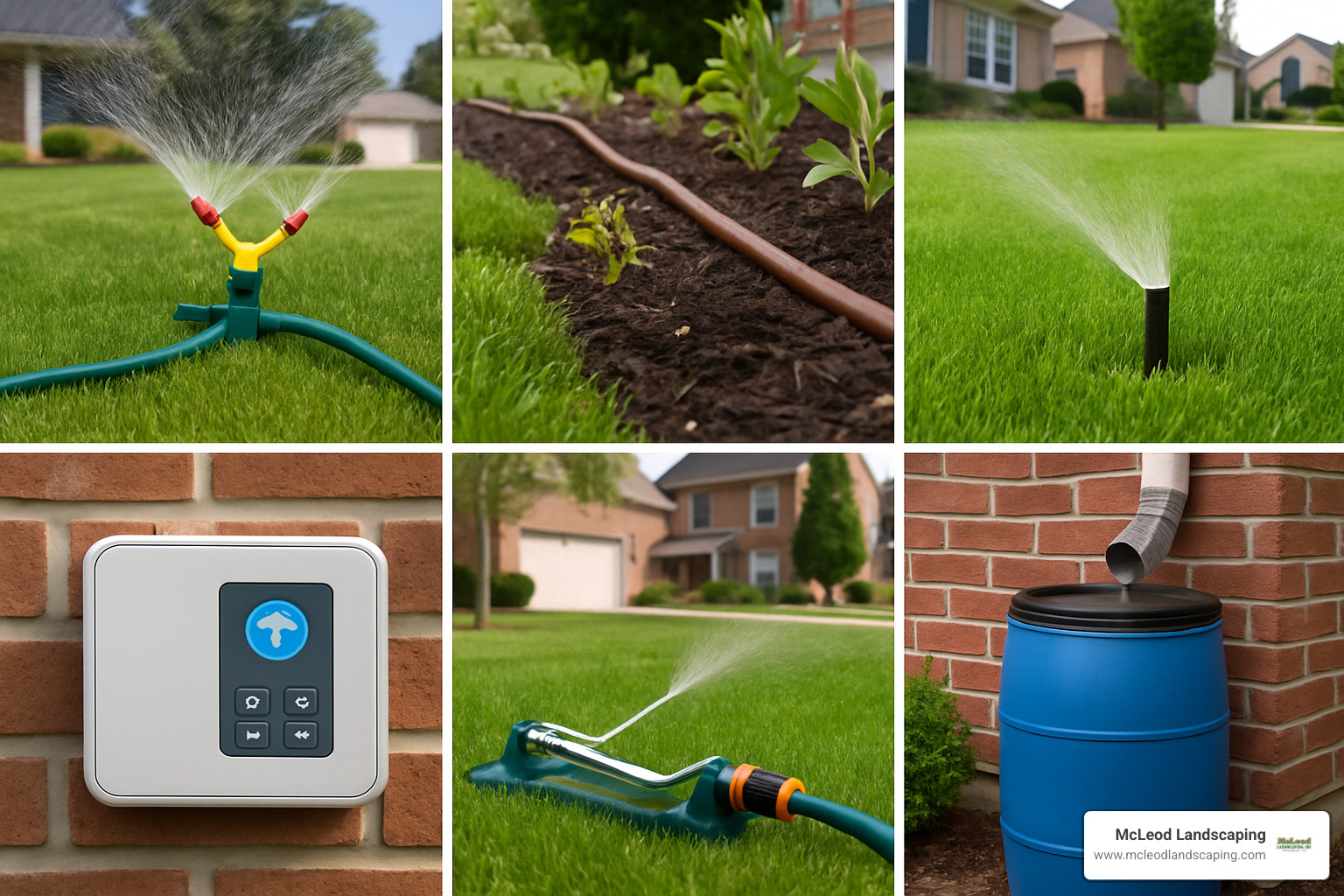
When choosing between irrigation systems for lawns, it helps to see how they stack up side-by-side. Above-ground systems offer simplicity and portability with modest water savings of 10-15%, perfect if you’re on a tight budget or renting your home. They require minimal upkeep but remain visible on your lawn.
For garden beds and borders, drip irrigation delivers impressive efficiency with 30-50% water savings by targeting roots directly. While not suitable for entire lawns, these systems excel around shrubs and flowers where precision matters most.
Underground systems remain the gold standard for comprehensive lawn coverage, offering 15-30% water savings with the aesthetic benefit of being completely hidden when not in use. Though installation costs are higher due to trenching requirements, many homeowners find the invisible operation worth the investment.
If you already have an irrigation system, adding a smart controller is perhaps the easiest upgrade with substantial benefits. These devices can reduce water usage by an additional 15-30% through weather monitoring and smartphone control, often paying for themselves within a few seasons.
Hose-end precision sprinklers strike a nice balance for oddly-shaped areas, delivering 20-40% water savings without any digging. Though visible during operation, their flexibility and low investment make them perfect for targeted watering of specific lawn sections.
For the environmentally conscious homeowner, rainwater harvesting systems represent the ultimate in sustainability, potentially reducing municipal water usage by 40-100% depending on your local rainfall patterns. While requiring some filtration and seasonal adjustments, these systems transform rain from a problem into a resource.
If you’re looking for an irrigation system for lawns without committing to extensive groundwork, the Rain Bird 32ETI Automatic Sprinkler System Kit hits the sweet spot for smaller properties. This portable setup offers a perfect solution for lawns between 1,000-3,000 square feet.
What makes this system stand out is its completely above-ground installation – no trenching or digging required. This makes it ideal if you’re renting your home or simply aren’t ready for a permanent in-ground system. You can set everything up in a single afternoon using basic tools, making it one of the most DIY-friendly options available.
The system comes complete with everything you need: six professional-grade rotary sprinklers that adjust from 40° to 360° coverage patterns, a heavy-duty timer with intuitive scroll settings, and all necessary connectors. The pop-up gear-drive rotors deliver water distances between 16-24 feet, providing consistent coverage that basic oscillating sprinklers simply can’t match.
One particularly thoughtful feature is the self-draining design that prevents freeze damage during colder months – a must-have for our Massachusetts climate.
“If you are tired of hassling with hose and sprinklers, and getting poor results from manual watering, this automatic system is a perfect solution,” shared one of our customers who made the switch last summer.
For properties with slopes, the timer allows for split watering cycles – a feature typically found only in premium systems. This prevents wasteful runoff by giving the soil time to absorb moisture between shorter watering sessions.
The system works with standard residential water pressure, and for optimal performance, just make sure the elevation difference between your hose connection and any sprinkler head stays under 6 feet. The rotating curtain of water significantly reduces wind drift, making it more efficient and keeping water where you want it – on your lawn, not your sidewalk.
Budget-friendly, portable, and effective, this above-ground option delivers professional-level irrigation without the professional-level installation commitment.
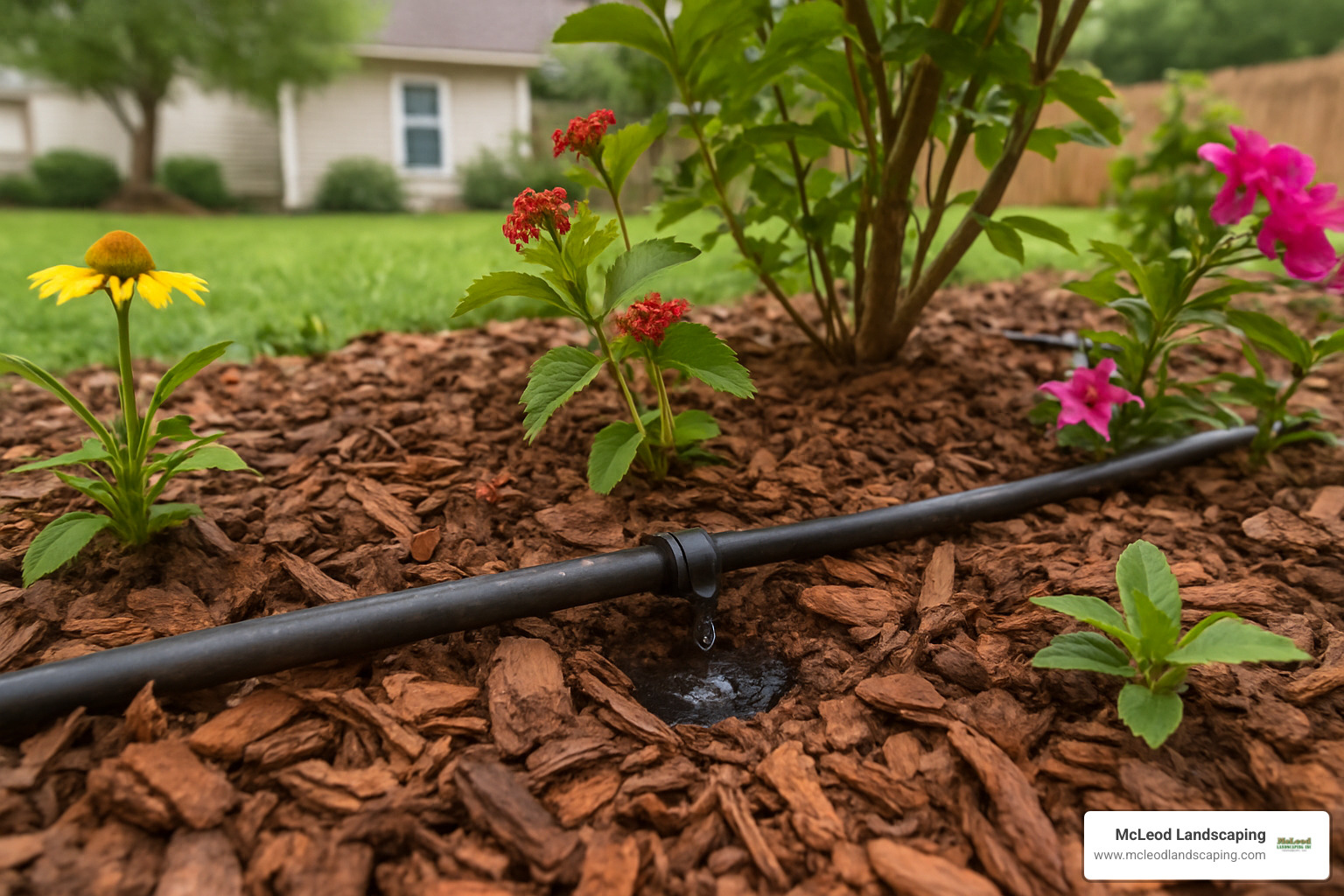
If you’re looking to pamper your garden beds, shrubs, and foundation plantings with precise, efficient watering, drip irrigation is truly the water-conscious champion. Unlike traditional sprinklers that spray water everywhere, these clever systems deliver moisture directly to where plants need it most – right at the root zone.
The beauty of drip irrigation lies in its precision. Those little emitters work like personal water butlers for each plant, delivering hydration exactly where it’s needed. This targeted approach means you’ll save a remarkable 30-50% water compared to conventional sprinklers – great for both your wallet and the environment.
Drip systems are particularly fantastic for gardens with sandy soils. You can simply choose higher flow rate emitters to compensate for quick drainage, ensuring your plants don’t go thirsty even in the most porous conditions.
“My plants are thriving since installing the drip system,” shared one of our Wilmington, MA clients. “Even during last summer’s dry spell, my perennials looked better than ever, and my water bill actually went down.”
For those concerned about aesthetics, drip irrigation offers a discreet solution. The entire system can be hidden under a layer of mulch, maintaining your garden’s natural beauty while providing invisible hydration. Plus, as your garden evolves over time, the system can easily grow and change with it.
According to research from Sprinkler School, delivering precise hydration based on humidity and rainfall is essential for plant health and water conservation. Irrigation systems for lawns that include drip components for garden beds excel at this targeted approach.
For those considering DIY installation, drip systems are relatively approachable projects. The distribution tubing comes in rolls up to 500 feet long, and you can connect the system to a standard outdoor faucet or integrate it with an existing underground system.
For best results, place the main distribution tubing along plant rows, select emitters rated specifically for your soil type, install pressure regulators for consistent water delivery, and cover the tubing with mulch for both UV protection and visual appeal.
For homeowners seeking the ultimate in convenience, aesthetics, and comprehensive coverage, underground pop-up systems represent the gold standard in lawn irrigation. These systems remain completely hidden when not in use, emerging only during scheduled watering cycles to deliver precise hydration before disappearing back into your lawn.
Underground systems truly shine for medium to large properties where aesthetics and convenience are priorities. While they represent a larger initial investment, the long-term benefits in water savings, lawn health, and time reclaimed from manual watering make them worthwhile for many homeowners.
“My jaw dropped to the ground on how amazed I was at this lawn care smart sprinkler system,” shared a Chelmsford homeowner after we completed their underground system installation. “The lawn has never looked better, and I haven’t touched a hose in months.”
The installation process does involve trenching to lay pipes beneath your lawn, typically costing $4-$12 per linear foot based on soil conditions and obstacles. For perspective, most medium-sized yards require about 100 linear feet of trenching, averaging around $800 for this portion of the project.
Most medium yards benefit from 3-5 separate zones for optimal coverage, allowing you to water sun-drenched areas more frequently than shaded sections. This zoning not only improves lawn health but significantly reduces water waste by delivering moisture only where and when it’s needed.
Be aware that local permits may be required for underground irrigation systems for lawns, typically costing $50-$200 depending on your municipality. Professional installation generally requires 8-16 hours of specialized labor, making this option less DIY-friendly than above-ground alternatives.
For optimal performance, quality underground systems should incorporate backflow preventers to protect your home’s water supply, appropriately sized rotors and spray heads matched to your lawn’s dimensions, properly calculated pipe diameters to maintain adequate water pressure, and weather-resistant valve boxes for easy access during maintenance.
The investment pays dividends in a lush, healthy lawn without the hassle of moving hoses and sprinklers around your yard. Plus, the system remains completely invisible until it’s time to water, preserving your landscape’s natural beauty.
For detailed information on the installation process, visit our How to Install a Sprinkler System guide.
If you already have an irrigation system installed but want to bring it into the 21st century, a smart controller upgrade offers remarkable value. These ingenious devices replace your old-school timer with weather-intelligent technology that makes watering decisions just like a seasoned gardener would.
The Rachio 3 Smart Sprinkler Controller has earned its place as our top recommendation, offering eight-zone control with sophisticated weather intelligence that feels almost magical. As one of our Burlington customers put it: “Set it and forget it! The controller actually skipped watering the day before a rainstorm came through—something I would never have thought to do manually.”
What makes these controllers truly smart is how they use real-time weather data and evapotranspiration calculations (a fancy term for how much moisture plants lose to the atmosphere) to determine exactly how much water your lawn needs each day. This precision prevents both drowning and dehydrating your grass, promoting healthier root development and natural disease resistance.
According to EPA WaterSense research, smart irrigation systems for lawns can save an average home nearly 8,800 gallons of water annually. That’s enough water to take 500 showers! Your wallet will thank you too, as most homeowners see their investment returned through water savings within 1-2 seasons.
For truly impressive results, consider pairing your smart controller with rain sensors to confirm local precipitation, flow sensors to catch underground leaks, and soil moisture sensors in key lawn areas. These additions create a comprehensive system that responds to your lawn’s actual needs rather than rigid schedules.
These controllers typically range from $100 for basic models to $300 for feature-rich versions with multiple zone support, making them one of the most cost-effective upgrades for existing irrigation systems for lawns. The best part? Most models install using the same wiring as your current controller, requiring no specialized tools or expertise—just basic DIY skills and about 30-60 minutes of your time.

Traditional sprinkler systems often struggle with irregularly shaped lawns, creating dry spots or wasting water on sidewalks and driveways. The OtO smart sprinkler system solves this problem with precision technology.
The OtO system is perfect for oddly shaped back yards, narrow strips, or areas where traditional sprinkler installation would be impractical. “Perfect for my oddly shaped back yard,” confirmed a Concord homeowner. “I used to water missed spots by hand, but now I have perfect outlines every morning.”
Installation couldn’t be simpler:
What makes this system particularly impressive is its precision nozzle technology that creates a zig-zag water delivery pattern matched exactly to your lawn’s unique shape. This targeted approach eliminates overspray onto patios, walkways, or the neighbor’s property.
Don S. from Colorado shared: “No more wet concrete! The OtO waters exactly where I want it to, not an inch more.” For homeowners tired of wasting water or dealing with the hassle of moving traditional sprinklers, this technology represents a significant leap forward.
Each OtO device can cover areas within a 30-foot radius, with most suburban properties requiring 1-2 units for the backyard and one for the front. Multiple units can be linked within the same app for comprehensive coverage.
Want to take your lawn irrigation to the next sustainable level? Rainwater harvesting systems are the perfect eco-friendly companion to any irrigation systems for lawns. These ingenious setups capture what Mother Nature provides for free, storing it until your landscape needs a drink.
Effective rainwater harvesting isn’t just about placing a barrel under your downspout. A complete system includes collection vessels (from simple rain barrels to substantial cisterns), filtration to keep debris out, pumps to create adequate pressure, smart overflow management for those heavy downpours, and connectors to integrate with your existing irrigation system.
The beauty of rainwater harvesting goes far beyond just saving money on your water bill. When you capture rainwater, you’re reducing harmful stormwater runoff that can overwhelm local waterways and cause erosion. You’re also accessing a naturally soft, chlorine-free water source that plants absolutely love.
“I was skeptical at first, but my rain barrels have been a game-changer,” shares Maria from North Andover. “During our summer thunderstorms, I collect enough water to handle almost all my garden needs for the following week. My plants seem healthier, and I love knowing I’m being a good environmental steward.”
Many municipalities now offer rebates or incentives for installing rainwater collection systems, recognizing their value in managing stormwater and reducing demand on municipal water supplies. Check with your local water department – you might be surprised by the financial support available.
For seamless integration with your existing irrigation systems for lawns, consider placing collection barrels strategically at downspout locations around your home. For adequate pressure to power sprinklers or drip systems, you’ll likely need a small pump system. Basic filtration is essential to prevent debris from clogging your irrigation components, and don’t forget to plan for overflow management during heavy rain events.
Decorative elements like rain chains can add visual appeal while directing rainfall to your storage system. These copper or aluminum chains replace traditional downspouts, creating a water feature effect as rain cascades down before being collected.
While most homeowners start with simple 50-100 gallon rain barrels, those with larger properties might consider underground cisterns capable of storing thousands of gallons. These larger systems can provide meaningful irrigation capacity even during extended dry periods.
Rainwater harvesting represents the perfect marriage of environmental responsibility and practical lawn care. By capturing what falls freely from the sky, you’re completing nature’s water cycle right in your own backyard while ensuring your landscape remains lush and vibrant.

Thinking about installing an irrigation system for your lawn? Before you grab that shovel or call a pro, let’s talk about what’s involved in the setup process. The complexity varies widely depending on what type of system you’re considering.
Some irrigation systems are perfect weekend warrior projects. Above-ground sprinkler kits, basic drip systems, and smart controller upgrades can typically be handled by homeowners with basic tools and a few hours to spare. Hose-end precision sprinklers are particularly DIY-friendly – most can be up and running in less than 10 minutes.
On the flip side, underground sprinkler systems present a different challenge altogether. These installations involve trenching, plumbing connections, electrical work, and often backflow prevention devices. As Tom from Andover shared with us: “I tried installing my own underground system and quickly realized I was in over my head. The professionals finished in two days what would have taken me weeks, and they handled all the permit requirements I didn’t even know about.”
For most homeowners, the time and expertise required for underground systems make professional installation the smarter choice. The trenching alone can be backbreaking work, with costs typically running $4-$12 per linear foot depending on soil conditions and obstacles.
Many people don’t realize that irrigation installations often require permits, especially when connecting to municipal water supplies. Your local building department may require permits for:
Permit fees typically range from $50-$200 depending on your location and project scope. One benefit of hiring professionals is they generally handle all this paperwork as part of their service package, saving you trips to the town hall and ensuring everything meets local codes.
Safety should always come first with any home improvement project. When planning your irrigation installation, remember these crucial points:
Call before you dig! Contact 811 at least 72 hours before any digging project to have underground utilities marked. Hitting a gas or electric line can be dangerous and expensive.
Protect your drinking water. Backflow preventers are critical safety devices that stop irrigation water from flowing back into your home’s drinking water. Most municipalities require them by code.
Mind the electricity. Controllers must be properly installed according to local electrical codes, typically with GFCI protection and proper grounding.
Calculate your zones correctly. The number of zones your system needs depends on your available water pressure and flow rate. To determine this, measure your gallons per minute (GPM) by timing how long it takes to fill a 5-gallon bucket from your outdoor spigot. Then divide your total GPM by the water requirements of your selected sprinkler heads to find how many heads can run simultaneously in a zone.
For those who’d rather leave the technical details to the experts, our Irrigation System Services page outlines how professional installation ensures your system is safe, efficient, and built to last.
Remember – a properly installed irrigation system for your lawn not only saves water but adds value to your home. Whether you choose the DIY route or professional installation, taking the time to plan properly will result in years of trouble-free operation and a healthier, more beautiful landscape.
Taking care of your irrigation systems for lawns doesn’t end with installation. Like any valuable home system, proper maintenance throughout the changing seasons ensures years of efficient operation and prevents costly repairs. Let me walk you through the essential seasonal care that keeps your system running smoothly.
When those first warm days arrive and frost is no longer a threat, it’s time to wake up your irrigation system:
Start by inspecting your entire system for any damage that might have occurred during winter. I’ve seen countless examples where a simple spring check prevented minor issues from becoming major headaches later in the season.
Next, clean those filters! Winter debris has a way of finding its path into your system. A thorough cleaning prevents clogs that could restrict water flow just when your lawn needs it most.
“I mark my calendar every April for system testing,” shares Marcus, a homeowner in Andover. “Running each zone for just a few minutes lets me spot any issues before the hot weather arrives.”
Don’t forget to adjust those spray patterns! Winter frost heaving can shift sprinkler heads, causing them to water driveways instead of grass. A quick realignment ensures water goes exactly where it should.
Finally, reprogram your controller with spring settings. Your lawn’s water needs in April are very different from its July requirements. Smart controllers handle this automatically, but standard timers need seasonal adjustments.
Summer is peak performance time for irrigation systems for lawns, so keep an eye out for these common issues:
Watch for sprinkler heads that suddenly produce weak or uneven spray patterns – the likely culprit is a clogged nozzle. Mineral deposits from hard water are often to blame, but a simple cleaning usually solves the problem.
Those unexplained soggy spots in your lawn? They’re usually the first sign of an underground leak. Don’t ignore them! A small leak can waste hundreds of gallons and potentially damage your landscape or home foundation.
During heatwaves, your irrigation schedule might need temporary adjustments. Most lawns benefit from deeper, less frequent watering rather than daily shallow sprinkling – this encourages deeper root growth and drought resistance.
Keep grass trimmed around sprinkler heads to prevent obstruction. Nothing wastes water quite like a spray head shooting directly into surrounding tall grass!
When autumn leaves begin to fall, it’s time to prepare your irrigation systems for lawns for winter dormancy. In our Massachusetts climate, proper winterization isn’t optional – it’s essential.
First, shut off the main water supply to your irrigation system. This valve is typically located where the irrigation line branches off from your home’s main water supply.
Next comes the most critical step: removing all water from the pipes. In our freezing New England winters, any water left in the system will expand when frozen, potentially cracking pipes, valves, and sprinkler heads.
“I tried skipping the blowout one year,” admits a homeowner in Billerica. “That expensive lesson cost me three broken valves and a cracked backflow preventer in the spring.”
Professional irrigation technicians use specialized air compressors to force all water out of the system. While some homeowners tackle this themselves, the equipment requirements and potential for damage make this a task many prefer to leave to experts.
Don’t forget to insulate any above-ground components like backflow preventers. A simple insulated cover or even old blankets can provide adequate protection.
Finally, set your controller appropriately. Some smart controllers have a specific winter mode, while standard timers should be set to “off” but left plugged in to maintain programming.
Even well-maintained irrigation systems for lawns occasionally develop issues. Here are the most common problems and their solutions:
Dry spots despite regular watering typically indicate either misaligned heads or insufficient coverage. Try adjusting spray patterns first, but you might need additional heads for complete coverage.
Leaking sprinkler heads usually result from damaged seals or cracked bodies. Fortunately, replacing a head is a simple and inexpensive fix most homeowners can handle themselves.
Low pressure throughout your system often means you’re asking too much from your water supply. Too many sprinkler heads per zone is a common culprit, though blockages can also cause similar symptoms.
Controller errors typically resolve with a simple reset, but persistent problems might indicate it’s time for an upgrade. Today’s smart controllers offer remarkable reliability and water-saving features.
Pooling water is never normal and usually indicates either a broken pipe underground or excessive run times that exceed your soil’s absorption rate. The former requires repair, while the latter is easily fixed by splitting watering times into shorter, multiple cycles.
For more detailed guidance on solving specific problems, our Sprinkler System Troubleshooting guide provides step-by-step solutions.
Modern flow meters and smart controllers often detect problems before they become visible, alerting you to unusual water usage patterns that might indicate leaks. This early warning system not only saves water but can prevent landscape damage from ongoing leaks.
A little preventative maintenance goes a long way in extending the life of your irrigation systems for lawns. With proper seasonal care, most quality systems will provide reliable service for 15-20 years.
Figuring out the right number of zones isn’t just about lawn size—it’s about working with your property’s unique characteristics and water supply. Start by checking your water flow: time how long it takes to fill a 5-gallon bucket from your outdoor spigot, then divide 60 by that number to calculate your GPM (gallons per minute).
This number becomes your water “budget” that you’ll need to distribute across your lawn. Different sprinkler types consume different amounts of this budget—spray heads typically use 1-2.5 GPM each, rotors need 2-6 GPM, and drip emitters require about 0.5-4 GPM per 100 feet of line.
Your landscape’s natural variations also influence zoning decisions. As Sarah from Andover told us, “Creating separate zones for our sunny front yard, shadier side yard, and garden beds made a world of difference in plant health.” Areas with different sun exposure, plant types, slopes, or soil conditions typically benefit from their own dedicated zones.
For most homes, you’ll likely need between 3-7 zones for complete coverage. Larger properties or those with diverse landscaping may require more, while simple rectangular lawns might need fewer.
Installation costs vary considerably depending on what system you choose and the unique characteristics of your property. For a typical quarter-acre lawn, the investment ranges across system types:
Above-ground systems generally represent the most affordable entry point, requiring minimal ground disturbance and often suitable for DIY installation. Drip irrigation falls in the moderate price range, with costs primarily determined by your coverage area and component quality. Underground systems represent a more substantial investment, involving professional trenching, piping, and specialized knowledge.
If you already have an irrigation system, smart controller upgrades offer tremendous value, typically costing a fraction of a full system while delivering significant efficiency improvements.
Several factors can influence your final cost, including the number of zones, controller sophistication, local permit requirements, and soil conditions. Rocky soil, for instance, can significantly increase trenching difficulty and labor time.
While professional installation adds to your upfront investment, it often delivers better long-term performance through proper design, adherence to local codes, and important safety features like backflow prevention. As one Burlington homeowner noted, “Having professionals handle the installation gave us peace of mind that everything was done correctly—no leaks, perfect coverage, and it’s been running flawlessly for years.”
Smart controllers have revolutionized irrigation efficiency, potentially reducing your water consumption by 15-30% while maintaining (or even improving) your landscape’s health. These savings come through several intelligent features that traditional timers simply can’t match.
Unlike old-school timers that water on a fixed schedule regardless of conditions, smart controllers adapt to actual weather patterns. They automatically skip scheduled waterings when rain is forecast or has recently fallen. A Westford resident shared his experience: “My controller actually texted me that it was skipping Wednesday’s watering because rain was coming Thursday. Sure enough, it rained, and my system stayed off.”
These systems also fine-tune watering based on seasonal needs, automatically adjusting run times as temperatures and daylight hours change throughout the year. They apply more water during hot summer months and scale back during cooler spring and fall periods—something many homeowners forget to do manually.
The most sophisticated controllers incorporate soil moisture monitoring, preventing irrigation until the soil actually needs it rather than watering on a fixed schedule. This prevents both over-watering (which can lead to disease and runoff) and under-watering (which stresses plants).
Leak detection capabilities can identify broken pipes or heads, shutting down the system before water is wasted or property is damaged. And through efficiency programming, these controllers can run shorter, multiple cycles that allow water to soak in rather than run off—particularly valuable on slopes or clay soils.
According to EPA WaterSense data, these smart features translate to thousands of gallons saved annually for the average household. One North Andover family reported their water usage dropped by nearly 40% after upgrading to a smart controller: “It essentially paid for itself in the first season, and our lawn actually looks better than before.”
Choosing the right irrigation system for your lawn is more than a convenience—it’s a smart investment in your property’s health, value, and environmental impact. Modern irrigation technology delivers precision watering that nurtures vibrant landscapes while being mindful of our water resources.
The water savings are impressive and measurable. WaterSense-labeled irrigation products use at least 20% less water than traditional systems, while advanced smart technologies can push those savings to 30-50%. For many of our clients, this translates to noticeably lower water bills within the first season of installation.
“My system paid for itself faster than I expected,” shares a homeowner from Westford. “Between the water savings and the time I got back not dragging hoses around, I wish I’d done this years ago.”
Beyond immediate savings, properly installed irrigation systems for lawns add significant value to your property. The National Association of Realtors’ 2023 Remodeling Impact Report indicates that irrigation installations typically recover up to 83% of their cost in added home value. Plus, that lush, consistently watered landscape creates the kind of curb appeal that makes a lasting impression.
At McLeod Landscaping, we’ve spent over three decades helping homeowners and businesses throughout the Merrimack Valley create sustainable, beautiful outdoor spaces. Our experience serving communities like Andover, Billerica, Burlington, and Chelmsford has given us unique insight into the specific irrigation challenges New England properties face.
Whether you’re leaning toward a simple above-ground setup for your small yard, a water-sipping drip system for your garden beds, or a comprehensive underground network with weather-intelligent controls, the ideal solution depends on your specific landscape, water conditions, and lifestyle needs.
The right irrigation system for your lawn delivers a triple benefit: a healthier landscape, conservation of precious water resources, and more free time to actually enjoy your outdoor space rather than maintaining it.
For expert guidance on selecting, installing, or maintaining your lawn irrigation system, our team at McLeod Landscaping is ready to help. We’re committed to finding the perfect water-efficient solution that improves your property for years to come.
Learn more about our professional irrigation and sprinkler services and find how we can help you implement the ideal watering solution for your unique property.
Contact McLeod Landscaping today at (978) 640-0957 or click here to schedule a consultation for retaining wall installation. Let our experienced team design and install a functional and visually appealing retaining wall that enhances your landscape.


1881 Main St Unit 1, Tewksbury, MA 01876