
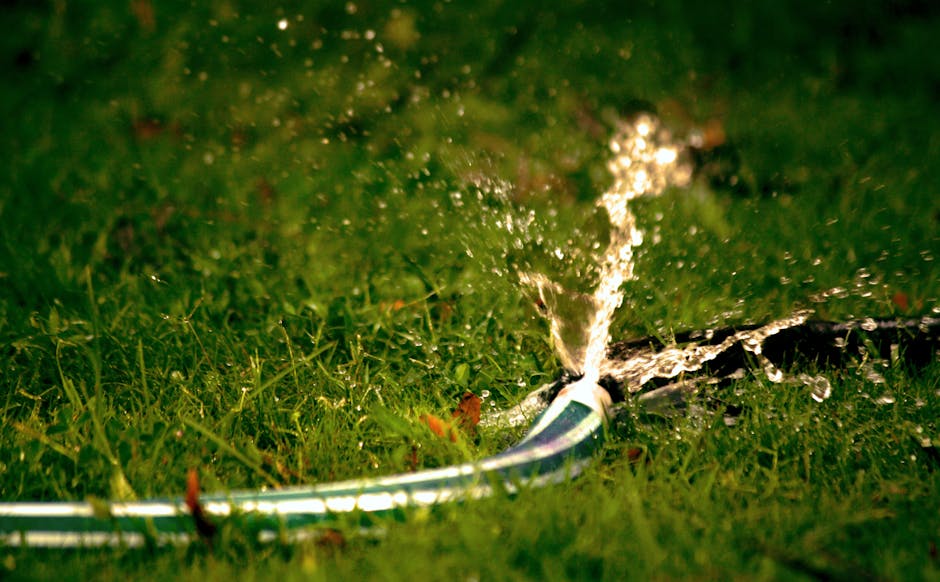
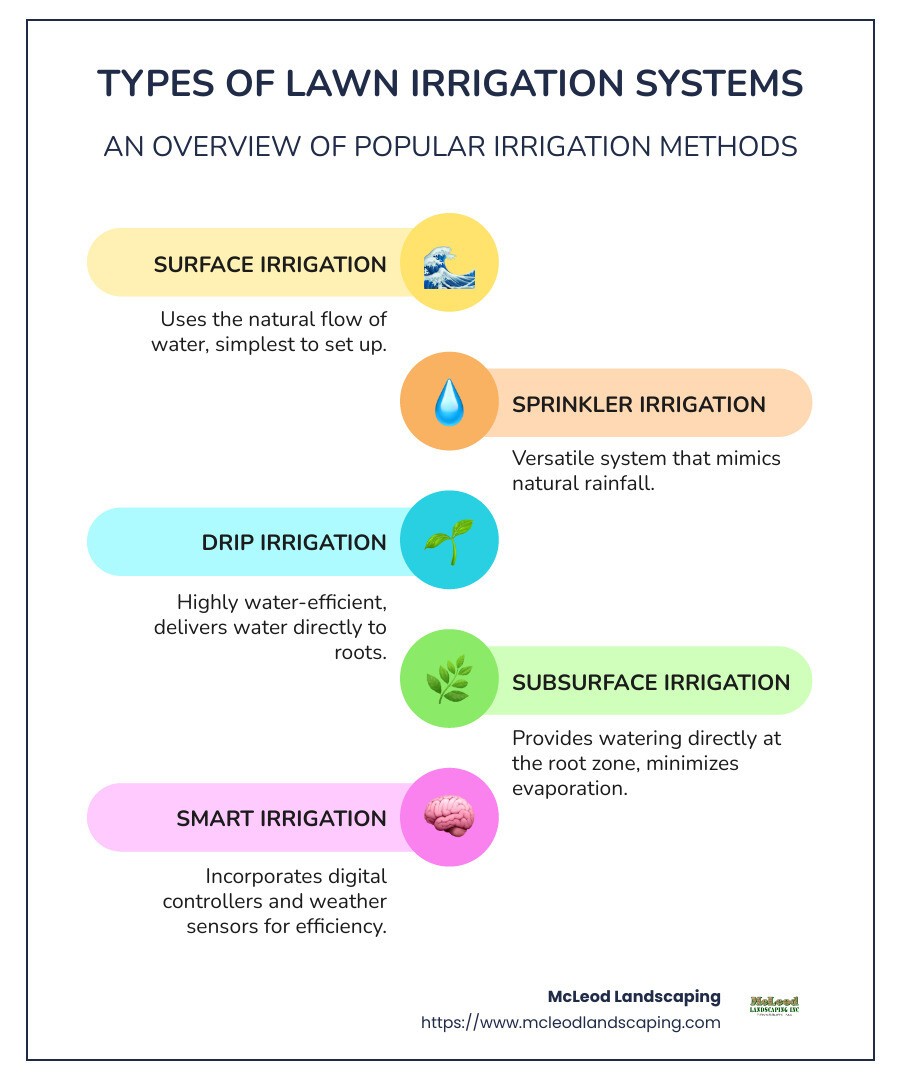
Types of lawn irrigation systems are critical for efficiently watering your landscape, ensuring healthy plant growth, and maintaining lush green lawns. At its core, an irrigation system is about one thing: delivering water where and when it’s needed. Whether it’s the simple flood method or advanced drip irrigation, each system suits different landscape needs.
Here’s a quick look:
Choosing the right system for your landscape involves balancing budget, plant types, and layout. Understanding these systems can save you money and time while conserving precious water.
As Scott McLeod, with over three decades of experience in landscaping, my goal is to explain the types of lawn irrigation systems for homeowners and commercial property managers. Let’s dig deeper into each system to find out which suits your landscape best.
Types of lawn irrigation systems further reading:
– Automatic Underground Lawn Sprinklers
– how does a lawn irrigation system work
– how much do lawn irrigation systems cost
When it comes to keeping your lawn lush and green, choosing the right types of lawn irrigation systems can make all the difference. Let’s explore three main systems: Drip Irrigation, Sprinkler Irrigation, and Subsurface Irrigation.
Drip irrigation is all about precision. It delivers water directly to the plant’s roots, making it incredibly water-efficient. This system uses a network of tubes and emitters to slowly release water, reducing waste and evaporation. It’s perfect for gardens, flower beds, and areas where water conservation is a priority.

Pros:
– Water-efficient: Minimizes evaporation and runoff.
– Localized watering: Directly targets plant roots.
– Slow delivery: Prevents waterlogging and soil erosion.
Cons:
– Installation: Requires careful setup and regular maintenance to avoid clogs.
– Cost: Initial setup can be more expensive than simpler systems.
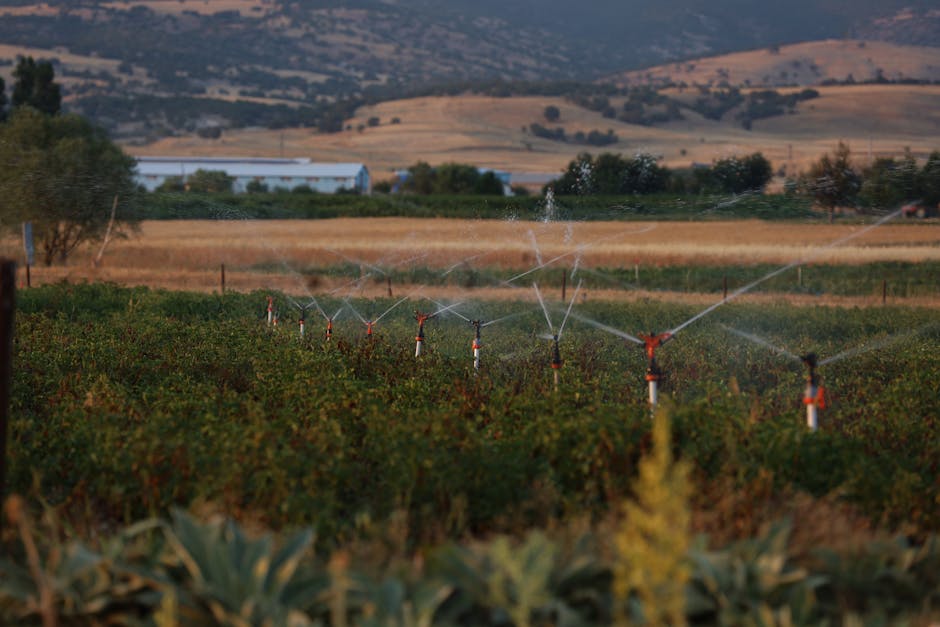
Sprinkler systems mimic natural rainfall, making them a popular choice for lawns. They come in various forms, from above-ground sprinklers to in-ground pop-up systems.
Pros:
– Versatility: Suitable for various landscapes and lawn sizes.
– Coverage: Can water large areas efficiently.
– Automation: Many systems offer programmable timers.
Cons:
– Water wastage: Higher risk of evaporation, especially in windy conditions.
– Installation and maintenance: In-ground systems can be costly to install and repair.
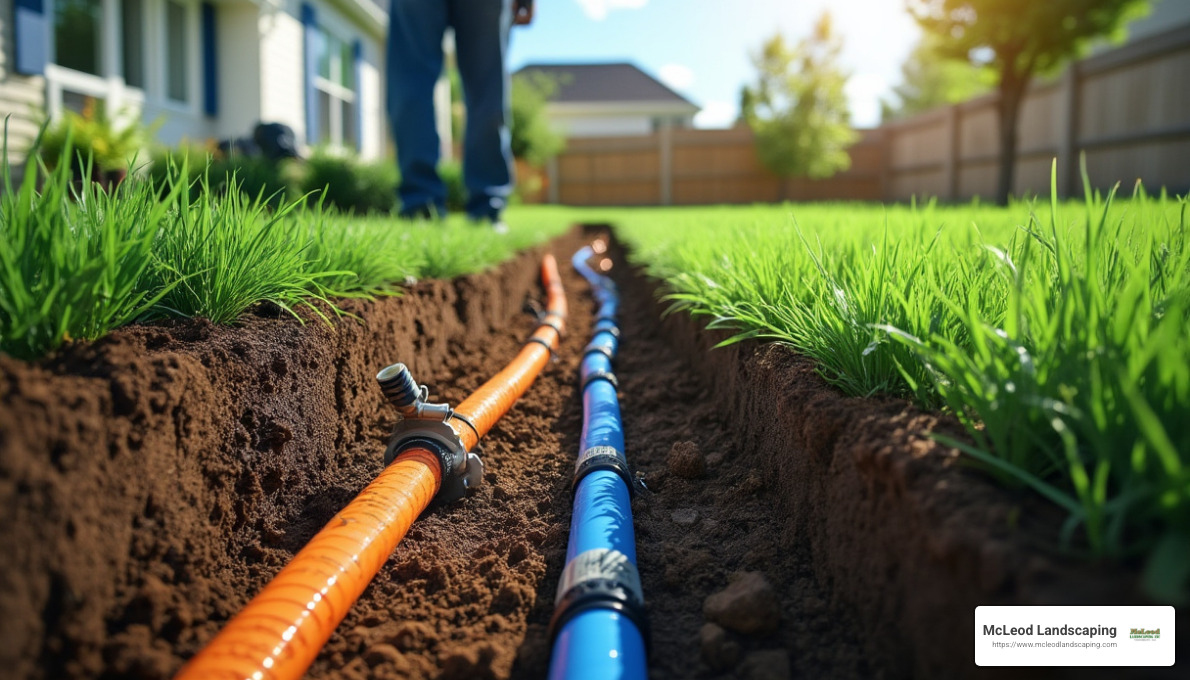
Subsurface irrigation involves placing irrigation lines below the soil surface. This system waters the root zone directly, minimizing evaporation and surface runoff.
Pros:
– Efficiency: Direct root zone watering reduces water loss.
– Minimal evaporation: Protected from wind and sun.
– Longevity: Underground lines are less prone to damage.
Cons:
– Complex installation: Requires professional setup.
– Repairs: Difficult to access if issues arise.
Each of these types of lawn irrigation systems offers unique benefits and challenges. The best choice depends on your landscape needs, budget, and water usage priorities. In the next section, we’ll explore how to choose the right system for your lawn.
Selecting the ideal irrigation system for your lawn involves considering several key factors: your budget, the size of your yard, and the types of plants you have. Let’s explore each of these to help you make an informed choice.
Your budget plays a big role in deciding which types of lawn irrigation systems to consider. If you’re looking for a cost-effective solution, above-ground sprinklers might be your go-to. They are affordable and easy to set up. On the other hand, in-ground systems, while pricier upfront, offer automation and efficiency that might save you money on water bills in the long run.
Pro Tip: Drip irrigation systems may seem costly initially, but their water-saving capabilities could lead to significant savings over time, especially in areas with high water costs.
The size of your yard can also influence your choice. For smaller yards, a simple above-ground or oscillating sprinkler can provide adequate coverage without much hassle. However, if you have a larger property, an in-ground pop-up sprinkler system might be more suitable, offering comprehensive coverage with minimal manual effort.
Consider This: If your yard has varying terrain, a combination of systems might be needed to ensure even watering across all areas.
Different plants have different watering needs. For lawns with a variety of plants, drip irrigation is excellent for gardens and flower beds, delivering water directly to roots and minimizing evaporation. If your lawn is mostly grass, sprinkler systems can effectively mimic natural rainfall, providing even moisture across the surface.
Remember: Some plants, like those in arid climates, thrive with less frequent but deep watering, making subsurface irrigation an efficient choice for them.
By weighing these factors, you can choose a system that aligns with your specific needs, ensuring your lawn stays vibrant and healthy throughout the year. Next, we’ll explore how smart irrigation systems can further improve your watering efficiency.
In today’s tech-driven world, smart irrigation systems are revolutionizing how we water our lawns. These systems offer incredible efficiency and convenience, thanks to their use of digital controllers and weather sensors. Let’s explore what makes these systems so effective.
At the heart of every smart irrigation system is a digital controller. These devices allow you to program and adjust your watering schedule with ease. You can even control them remotely through a smartphone app, putting the power to manage your lawn’s irrigation right at your fingertips. This means you can tweak your watering schedule while sipping coffee at home or even while on vacation.
Fact: The Rachio Smart Sprinkler Controller, a well-known example, helped homeowners cut water usage by up to 50% by using detailed weather reports to auto-adjust watering schedules. This kind of technology not only conserves water but also reduces utility bills.
Smart irrigation systems often come equipped with weather sensors or use local weather data. These sensors measure factors like rainfall, temperature, and humidity. With this information, the system can automatically adjust the watering schedule to ensure your lawn gets just the right amount of water—no more, no less.
Example: If a rainstorm is forecasted, the system can delay or reduce watering, preventing overwatering and saving water. This adaptability makes smart systems a great choice for maintaining a healthy lawn without waste.
One of the biggest advantages of smart irrigation systems is their water efficiency. By tailoring the watering schedule to real-time weather conditions and soil moisture levels, these systems optimize water use. This not only promotes a lush and vibrant landscape but also supports environmental sustainability by conserving precious water resources.
Quote: “Smart systems are the future of lawn care,” says Kristine Lang, an expert in consumer horticulture. “They ensure your grass gets exactly the amount of water it needs when it needs it.”
By integrating technology, smart irrigation systems provide a modern solution for maintaining your lawn with minimal effort and maximum efficiency. Up next, we’ll address some common questions about lawn irrigation systems to help you make informed decisions for your landscape.
Choosing the best type of irrigation system for your lawn depends on several factors, including water efficiency and the specific needs of your landscape. Drip irrigation is an excellent choice for those looking to conserve water. This system delivers water directly to the roots of plants, minimizing evaporation and runoff. It’s especially effective for gardens and flowerbeds.
On the other hand, oscillating sprinklers are great for larger lawns. They cover a wide area and mimic natural rainfall, ensuring even water distribution. However, they can waste water due to evaporation and wind drift, so they’re not as efficient as drip systems.
Smart irrigation systems leverage cutting-edge technology to optimize watering schedules. They use weather data and soil moisture sensors to make automatic adjustments. This means the system can sense when it has rained or when the soil is already moist, reducing unnecessary watering.
For instance, if rain is predicted, the system can delay watering, preventing overwatering and saving resources. This adaptability ensures your lawn receives the right amount of water, promoting healthy growth while conserving water.
Maintenance needs can vary significantly between different irrigation systems. Drip irrigation systems, while highly efficient, can suffer from clogging issues. Regular checks and occasional flushing are necessary to keep the system running smoothly.
Winterization is another important consideration, especially in colder climates. Systems like in-ground sprinklers need to be winterized to prevent pipes from freezing and bursting. This involves draining the system and, in some cases, using compressed air to clear the lines.
Lastly, system repairs can arise from wear and tear or accidental damage. For instance, sprinkler heads may need replacement if they become damaged or misaligned. Regular inspections can help identify issues early, ensuring your system remains efficient and effective.
By understanding these maintenance requirements, you can keep your irrigation system in top condition, ensuring a healthy and vibrant lawn year-round. Next, we’ll explore how to choose the right system for your lawn based on various factors like budget and yard size.
At McLeod Landscaping, we understand that maintaining a lush and vibrant landscape is vital for both residential and commercial properties. With over 30 years of experience, we offer comprehensive services that cater to all your irrigation needs. From drip to spray, our team is equipped to handle a variety of types of lawn irrigation systems, ensuring your landscape receives the precise care it requires.
Operating throughout the Merrimack Valley, we pride ourselves on our ability to design, install, and maintain irrigation systems that are both efficient and effective. Our expertise extends beyond just irrigation; we also provide full-service landscape design, installation, and maintenance, making us your go-to partner for creating and sustaining beautiful outdoor spaces.
Whether you’re looking to conserve water with a drip irrigation system or need a robust sprinkler irrigation setup for a larger lawn, McLeod Landscaping has the knowledge and tools to deliver exceptional results. Our commitment to quality ensures that your landscape remains healthy and vibrant, no matter the season.
If you’re ready to improve your landscape with a state-of-the-art irrigation system, contact us today to learn more about our services. Let us help you transform your outdoor space into a thriving oasis.
Contact McLeod Landscaping today at (978) 640-0957 or click here to schedule a consultation for retaining wall installation. Let our experienced team design and install a functional and visually appealing retaining wall that enhances your landscape.


1881 Main St Unit 1, Tewksbury, MA 01876